![“Tanning exposes your skin to [ultraviolet (UV)] light, and UV light is a known carcinogen, which means it can alter your DNA,” Biotechnology and biology teacher Gillian Boyd said. “It can change the sequences of DNA bases. The more exposure you have, the more risk you have to develop [skin] cancer.”](https://smhsponyexpress.org/wp-content/uploads/2026/06/IMG_0071-1200x798.jpeg)


![Remakes [and film adaptations of books] are often criticized for being too repetitive and unnecessary.](https://smhsponyexpress.org/wp-content/uploads/2026/06/IMG_0193-1200x558.jpeg)





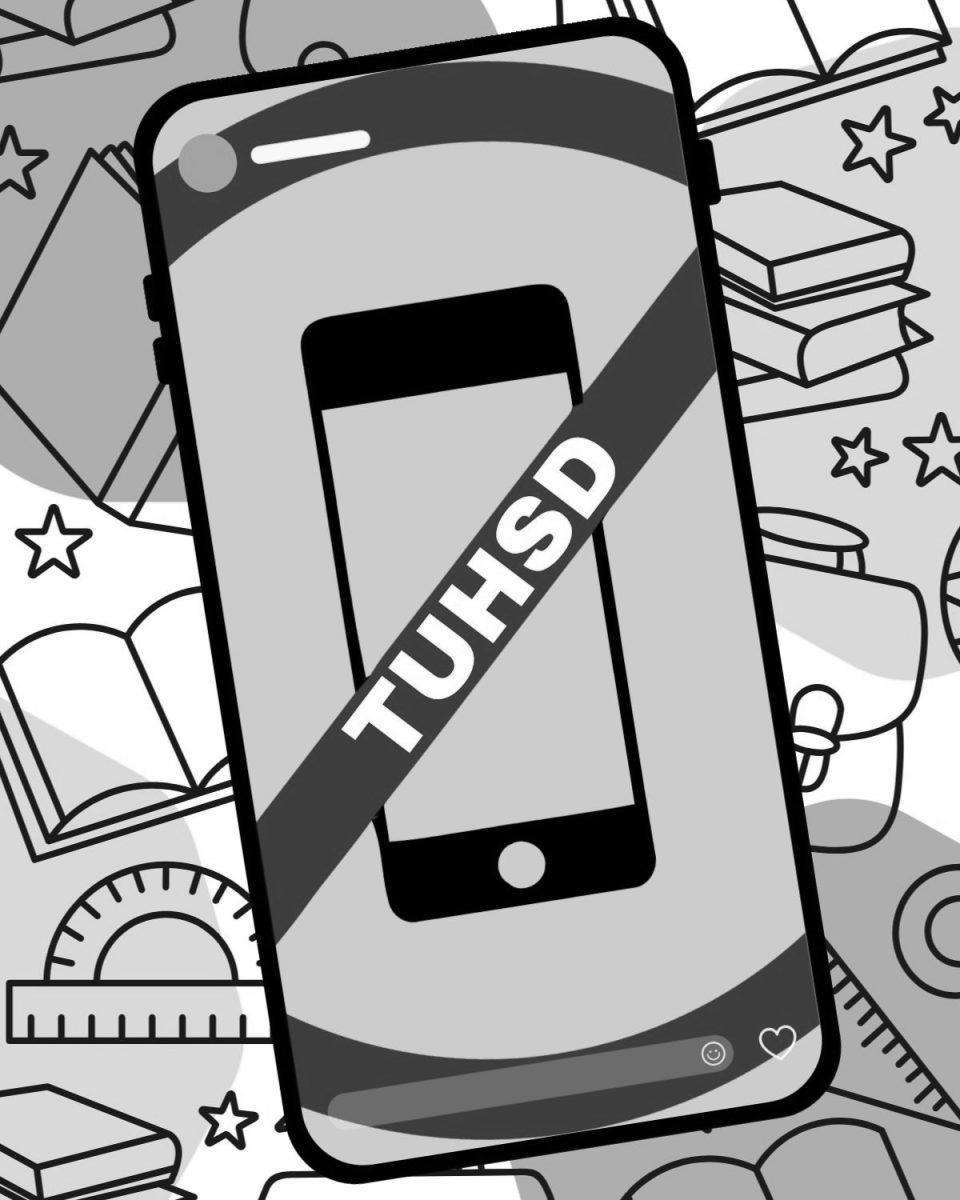
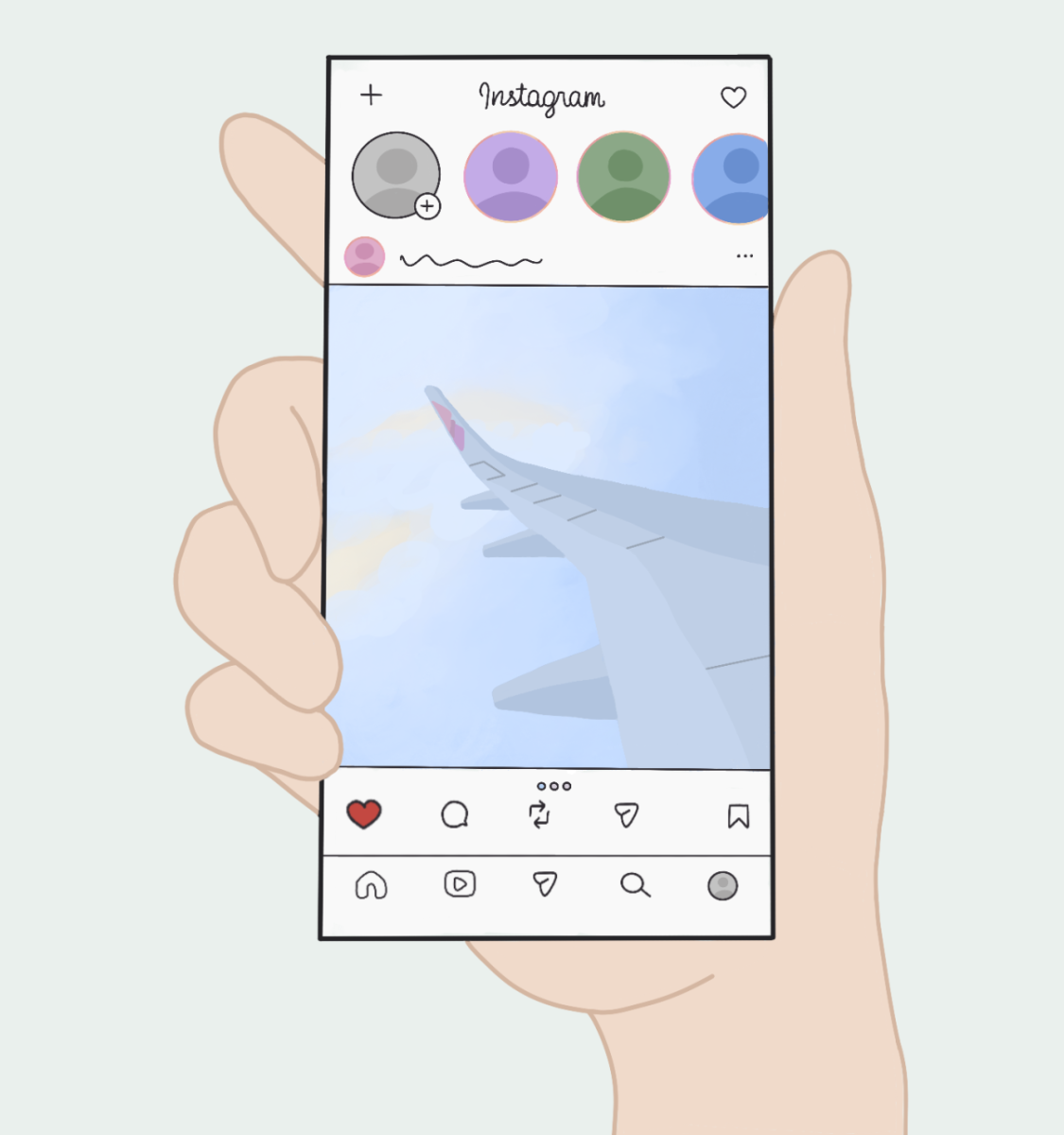
On Dec. 10, 2025, Australia became the first country to implement a ban on social media apps, including YouTube, TikTok, Snapchat, Instagram and X, for users 16-years-old and younger, with the goal of preventing children from viewing graphic content online such as suicidal ideation, promotion of eating disorders, or gore-related content. The social media bans were also enacted to prevent grooming, where child predators build trust with children to sexually exploit them through the use of social media accounts.
Social media companies are responsible for enforcing the Online Safety Amendment by implementing requirements such as government identification to ensure that their users are above 16 years of age. If a company fails to effectively do this, they may face fines of up to 32 million in United States currency. Technology company Meta Platforms, Inc., which owns Facebook, Instagram, and Threads, began closing teen accounts on Dec. 4, 2025.
Some states in the United States have also taken measures to restrict the use of social media. However, it is unlikely that the U.S. will enact a nationwide ban due to arguments about the constitutionality of banning social media use. In April 2024, Mississippi passed a law requiring social media sites to block minors from their platforms. The Supreme Court later refused to block the law, even while stating that the law was “likely unconstitutional.”
To get around the ban, Australian teenagers have found loopholes in the identification methods used by companies to enforce the law. Some have created new accounts using their parents’ or adult friends’ faces, and in some cases, using artificial intelligence (AI) to create a person-of-age. Others had previously entered an earlier birth year on their accounts before the ban took effect.
BBC Sydney conducted an interview with a 14-year-old girl, Amy, who claims that she feels free one month post-ban. Because of the lack of online distractions, Amy has opened her mind to new events and socialization, using her free time to go on runs and do work.
“Opening Snapchat would often lead to Instagram and then TikTok, which sometimes resulted in me losing track of time after being swept up by the algorithm,” Amy said. “I now reach for my phone less and mainly use it when I genuinely need to do something.”
In her diary, given to BBC Sydney, Amy expressed relief at the social media ban. On Dec. 14, a fatal attack targeting a Jewish Hanukkah celebration occurred in Bondi Beach, located in Australia. Amy was happy to have not been sucked into the algorithm that day.
“After the Bondi Beach incident, I was glad that I had not spent too long on Tiktok,” Amy said.
In an article posted by Today, Australian teenagers reacted to the news by expressing how they will miss the content on banned platforms. Many have found alternative social media apps, like the Tiktok affiliated app Lemon8, which was initially not affected by the ban. Since the ban, Lemon8 updated its guidelines to not allow people under the age of 16 to use the app. While the account deactivation process differs by platform, social media accounts will only be locked out with zero access until users turn 16 and can identify their age. The enforcement of the Online Safety Amendment against social media has added stress and concern to young users.
Some teens believe that losing social media apps would lead to losing relationships, as online friendships have become popular with the rise of technology.
“My playlist of 1,400+ songs on YouTube will be deleted and Reddit too, I have zero friends … I will be completely alone for the next three years until I am 16,” one user, 13, said in the interview with Today.
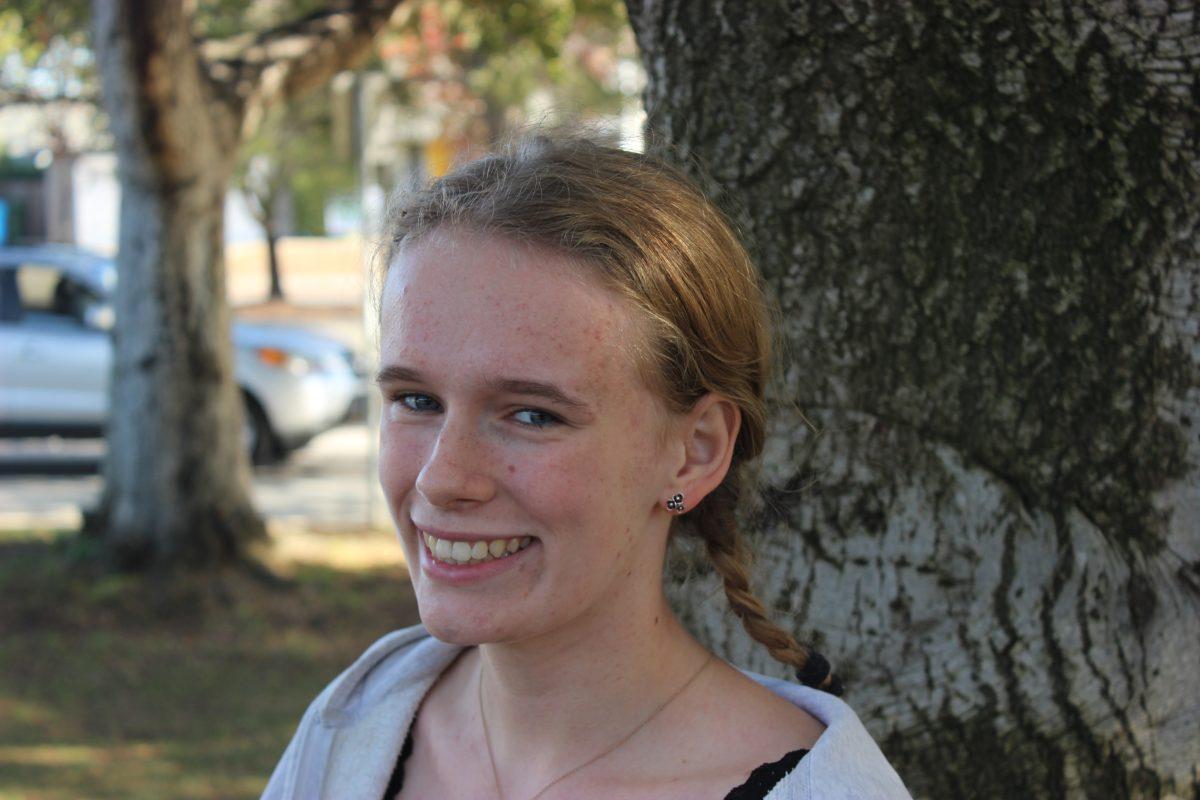
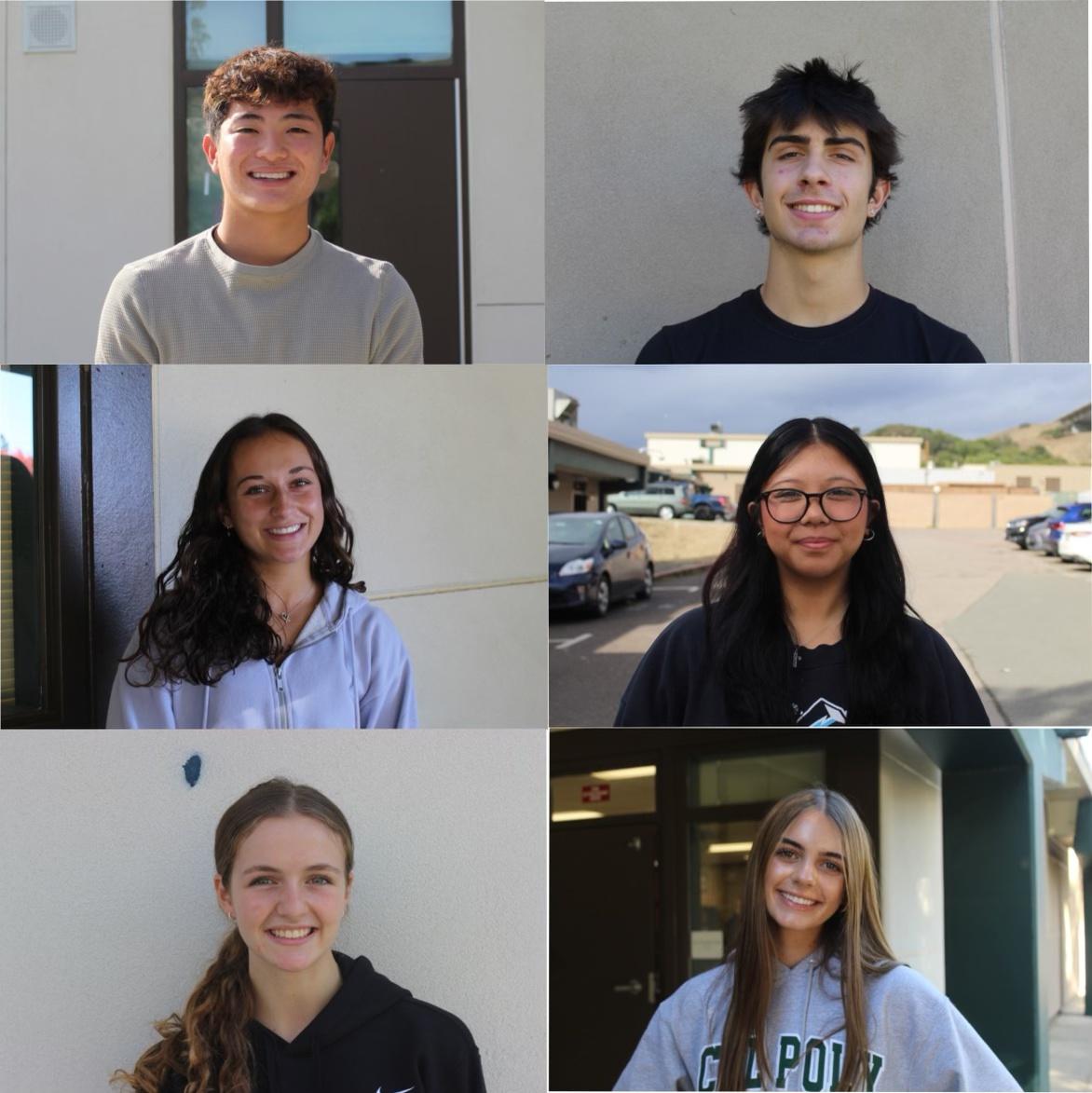
San Marin High School freshman Ryan Asnault uses social media apps and believes that they have both positive and negative aspects.
“It seems odd to ban because there’s a lot of bad parts, but there’s also a lot of good parts about social media,” Asnault said. “Like, posting to get feedback or looking at videos to help you or just wanting to see something and laugh at it.”
Guardian Australia has reported that some Australian parents have expressed concern about their children’s social connections and mental health, while some have found their children to be more present following the ban. Many parents view the ban as beneficial because it may protect their children from negative ideas on social media.
“My daughter is six and she watches YouTube,” reported an anonymous parent. “She is already displaying signs of body issues, not wanting to eat, wanting to be beautiful. The rabbit hole that is available through the algorithms is horrible.”
San Marin biology and Biotechnology teacher Gillian Boyd, who was once an active user of social media but began to restrict her use of it, has unwillingly viewed violent content on social media apps.
“I see violence on [social media] apps all the time, even though I don’t want to see it,” Boyd said. “Especially when violent things happen in our nation. I really worry about our young people being exposed and desensitized to violence.”
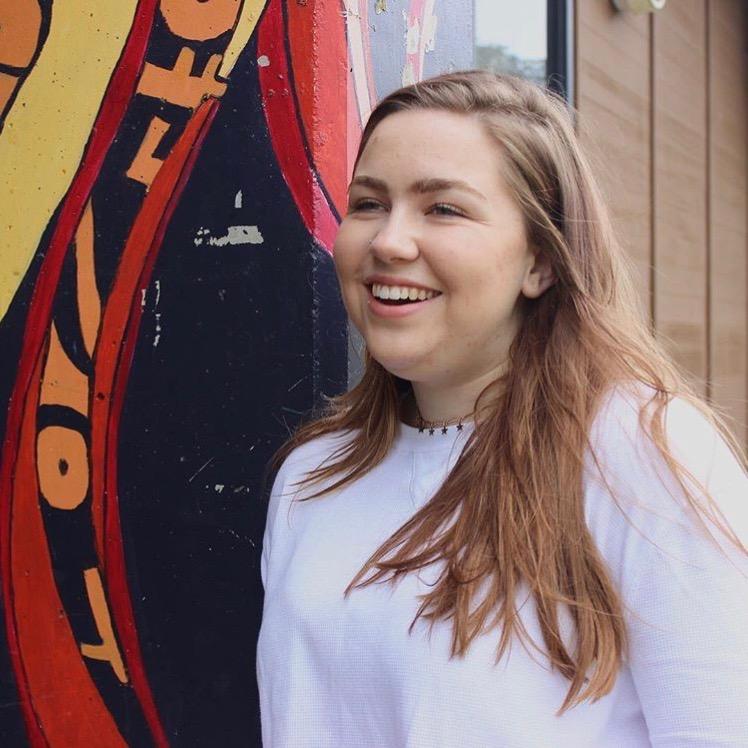
Senior Ashley De Leon, an active user of apps like Tiktok and Instagram, has noticed the effects of social media standards while at school, expressing that freshman girls appear much older than she did as a freshman.
“[Freshmen] are so exposed to these influencers that are way older than them and thinking ‘Oh, I need to dress like this, I need to wear makeup, I need to do this,’” De Leon said. “I feel like it’s really harmful for their self-image and for their development.”
Australia’s social media ban is still in place as of now; however, Meta has been pushing back by encouraging the Australian government to reconsider the severity of the ban.