

![“Tanning exposes your skin to [ultraviolet (UV)] light, and UV light is a known carcinogen, which means it can alter your DNA,” Biotechnology and biology teacher Gillian Boyd said. “It can change the sequences of DNA bases. The more exposure you have, the more risk you have to develop [skin] cancer.”](https://smhsponyexpress.org/wp-content/uploads/2026/06/IMG_0071-1200x798.jpeg)









![Remakes [and film adaptations of books] are often criticized for being too repetitive and unnecessary.](https://smhsponyexpress.org/wp-content/uploads/2026/06/IMG_0193-1200x558.jpeg)







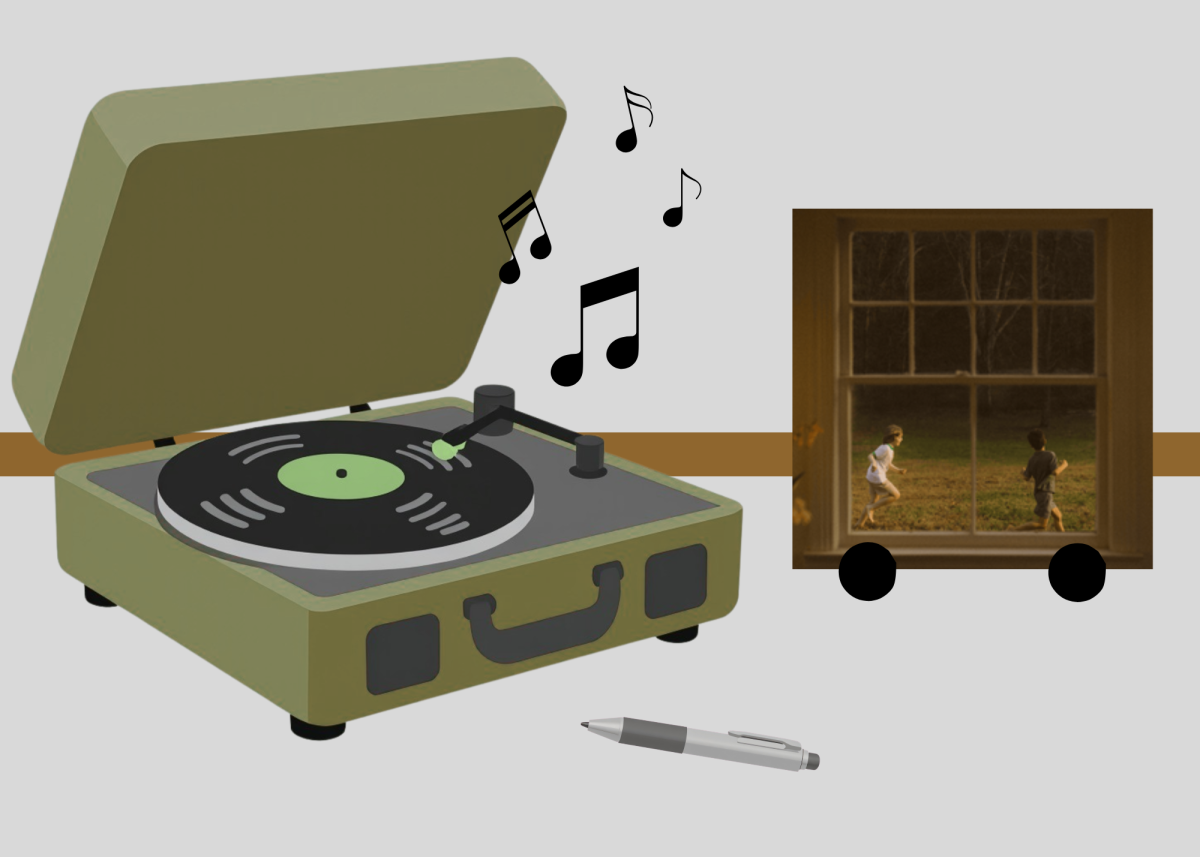




Noah Kahan’s fourth album, “The Great Divide,” came out on Friday, Apr. 24, 2026. Fans had been waiting for the release since his announcement in January. After listening to the album and the deluxe tracks many times, I can say it is one of the best-written and composed albums I have heard in a long time. Kahan manages to capture the feelings of leaving your hometown, losing loved ones, and growing through pain. “The Great Divide” is a must-hear album.
Kicking off the album is “End of August,” a song about how our moods and emotions change with the seasons. It was a beautiful insight into some people’s struggles with their mental health as winter comes. The music behind the song builds as it goes, creating a bridge that is filled with emotion. I thought this song was a great way to introduce listeners to the themes the album would cover.
The second song in the album is “Doors.” This is one of my favorite songs on the entire album, and I would argue that it has some of the best lyricism. This song covers some heavy topics in a raw, emotional way. Kahan uses the metaphor of doors as giving someone open opportunities that they continually do not take, conveying the pain of trying so hard just for someone to not give you the chance you want.
“American Cars” is the next song in the tracklist. It is more upbeat in its rhythm. I interpreted it as delving into the pressures an older sibling feels when they return home. Kahan talks about how the family calls the child back home to fix the family’s issues. I love how he incorporates the elements of driving home and the nostalgia that goes with returning to the place where you grew up.
“Downfall” tells a story from the perspective of the person who got left behind. The narrator sings about yearning for their partner to come back home, even at the expense of both of their happiness. The narrator is essentially rooting for the downfall of the person who left them. He says he will not move on and that he will be waiting for the partner’s return.
The next song is “Lighthouse.” Personally, I felt that the song was a little slow. Kahan uses the lighthouse as a metaphor for searching for meaning in grief. He references “wreckage” throughout the song, talking about the mess a person leaves behind.
In the sixth track, “Paid Time Off,” Kahan covers how the simple times in one’s hometown can spark nostalgia. He talks about relatable experiences at local places with friends. However, Kahan contrasts this with simultaneously wanting to leave home and explore the world. I enjoyed how Kahan incorporated “working for paid time off” as a way to describe having ambitions but not acting upon them.
In the song “Staying Still,” Kahan displays his fears of being abandoned by someone he loves. He asks the question, “Are you good at staying still?” which encapsulates how he worries that his love is going to leave without an explanation. I feel like the narrator has trauma from previous relationships that lead him to question everybody’s loyalty.
The title track, “The Great Divide” was released prior to the album as a single. I loved the music and style of this song. I was lucky enough to hear this song live and unreleased at the BottleRock Festival last May. I had been waiting for this release for a while and was not disappointed. Kahan describes how old friendships can be affected by both distance and fame. He uses the great divide to describe the gap that widens as friends grow apart.
Kahan’s next song, “Haircut,” follows some themes similar to “The Great Divide.” It is told from the perspective of someone whose friend rose to fame and abandoned him in a way. It counters Kahan’s own perspective as someone who did get famous. The narrator outlines how he has grown to resent his friend over the years.
“Willing And Able” is a deep cut that was very emotional for me. I thought this song perfectly described a strained relationship between siblings. I interpreted that the song was about siblings becoming estranged and then wanting to reconnect. The song has two perspectives, one from each sibling, which helps the listener understand both sides.
“Dashboard” is a great song that tells a meaningful story set against a catchy beat. In the song, the narrator tells the story of a loved one who thinks they are a completely different person just because they moved away from home. It discusses how you can not run away from your internal struggles, no matter how many state lines you cross. You will still be the same person that you were before you left, unless you work on bettering yourself. I think Kahan’s lyricism in this song is genius.
“23” is one of the most underrated songs on the album. I noticed that it did not get a lot of hype at the initial release, but I think it is an insightful story. There are a couple of ways this song could be interpreted, but I thought of it as a story about losing a loved one while they are still alive. Kahan sings about wishing he had the version of his loved one before they changed. It sounded like it could be about someone with an addiction. I thought “23” captured the grief someone can face when they feel like a relationship has changed drastically.
The second single released before the rest of the album was “Porch Light.” Before listening, I was familiar with the porch light symbolizing the ability to come back home. Kahan took that idea and ran with it. He stretched the metaphor throughout the entire song, spinning a tale where the narrator wishes their partner would come back. The narrator leaves the porch light on each night and experiences constant disappointment when their loved one does not come home.
I would say “Deny Deny Deny” is my favorite song on “The Great Divide.” Kahan outdid himself when he wrote this song. He talks about a difficult relationship with a loved one where sharing emotions is not done. It showcases the vicious cycle where the narrator seeks answers from their loved one, only to get shut down. Beyond the message, the melody and sound of this song replay in my head all day. Kahan wants to protect this person in a way by offering to pay off their house, but the person uses the “deny, deny, deny” strategy when asked questions.
Kahan follows up with “Headed North.” Kahan leaves some “mistakes” in the song on purpose, like background noise and comments. This contrasts the folk-ballad style song with some humor. Kahan talks about how difficult it is to stay in your hometown after someone leaves you. He hopes his loved one is having a boring life now that they have left.
“We Go Way Back” is an emotional song about escaping the pressures of fame. The narrator talks about how he wants to go back to simpler times, when he could live with his partner. The song captures how healing it is to enjoy a quiet drink in the backyard and let the dogs out. The song does a very good job of stressing the importance of returning to simple times after the stress of fame wears you out.
“Spoiled” is a reflective piece that explores the effects of fame on one’s children. Kahan discusses his difficult relationship with his career as a performer. He wants to be successful enough that his kids don’t have to worry about money or food, but he also wants to break years of generational trauma. He reflects on what kind of role model he wants to be for his children. I thought this was a great, raw song.
Kahan is so good at matching emotional, sad lyrics with an upbeat melody, and “All Them Horses” is no exception. Mainly focused on the Vermont floods of 2023, it covers the complexity of survivor’s guilt the narrator feels after leaving the town destroyed by the floods. He shares his feelings of wanting to go home, but being unable to because of the dangers that are there. His pain is represented by the death of the horses in the Vermont floods.
“A Few of Your Own” is a nostalgic, slow song. It is a ballad discussing love and loss. Kahan stresses the importance of letting go of painful memories of the past. I thought this was such an insightful piece. It is one of just a few love songs and it stands out to me for how optimistic it is.
Imposter syndrome is a huge theme in the second-to-last song, “Orbiter.” I enjoyed how Kahan intertwined the metaphor of being an astronaut throughout the entire song. Kahan compares orbiting the Earth to being new to Los Angeles. He dives deep into the feelings of isolation that come with sudden fame. I love how raw and vulnerable the lyrics of this song are.
The final song on the album is “Dan.” I felt like this song was a perfect way to close out the album. Dan is Kahan’s real-life childhood friend. They experienced the loss of another close friend, Carlo, a while back. The loss of Carlo was a huge reason why their dynamic shifted. The song looks back on important moments with Dan that shaped Kahan as a person. Throughout the song, Kahan references all of the ways Dan helped him through the loss of Carlo. I thought the specific memories he highlighted, like watching the sunrise and camping,g showed how ingrained they were in Kahan’s memory.
All in all, I thought “The Great Divide” truly showcased Kahan’s full potential as a songwriter. Each song on the album was consistently good, with a variety of topics that connected to the overarching theme of self-discovery. “The Great Divide” will be hard for Kahan to top as it is one of the most true and raw pieces he has created. I feel like it is relatable and down to earth which is hard to achieve on a track about fame. If given the chance, everyone should listen to “The Great Divide” all the way through.