![“Tanning exposes your skin to [ultraviolet (UV)] light, and UV light is a known carcinogen, which means it can alter your DNA,” Biotechnology and biology teacher Gillian Boyd said. “It can change the sequences of DNA bases. The more exposure you have, the more risk you have to develop [skin] cancer.”](https://smhsponyexpress.org/wp-content/uploads/2026/06/IMG_0071-1200x798.jpeg)



![Remakes [and film adaptations of books] are often criticized for being too repetitive and unnecessary.](https://smhsponyexpress.org/wp-content/uploads/2026/06/IMG_0193-1200x558.jpeg)






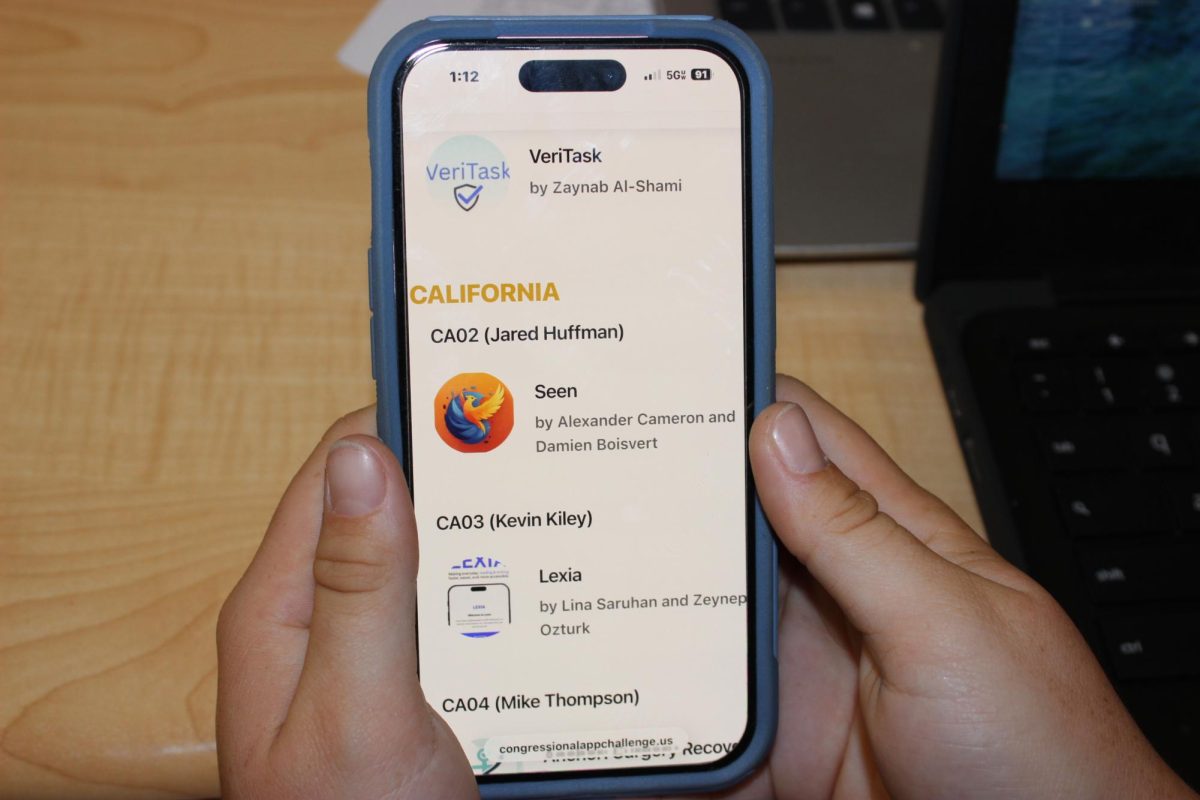
Every year, teenage innovators participate in the Congressional App Challenge, which is a challenge for students to create an app that promotes change through the application of Science, Technology, Engineering, and Mathematics (STEM) fields. In 2013, a vote of 411 to three passed House Resolution 77, Academic Competition Resolution, which created this challenge with the hope that the United States education system would encourage STEM-focused pathways. Each year, state representatives host a challenge for middle and high school students around the nation.
The goal of the challenge is to “inspire, include, and innovate efforts around STEM, coding, and computer science education,” according to the official Congressional App Challenge website.The challenge has motivated students to express their passion and synthesize their skills into an app that promotes a positive impact on modern society by motivating them with a paid visit to the Capitol Building in Washington D.C., as well as the prize of a gift card to a place of the student’s choice.
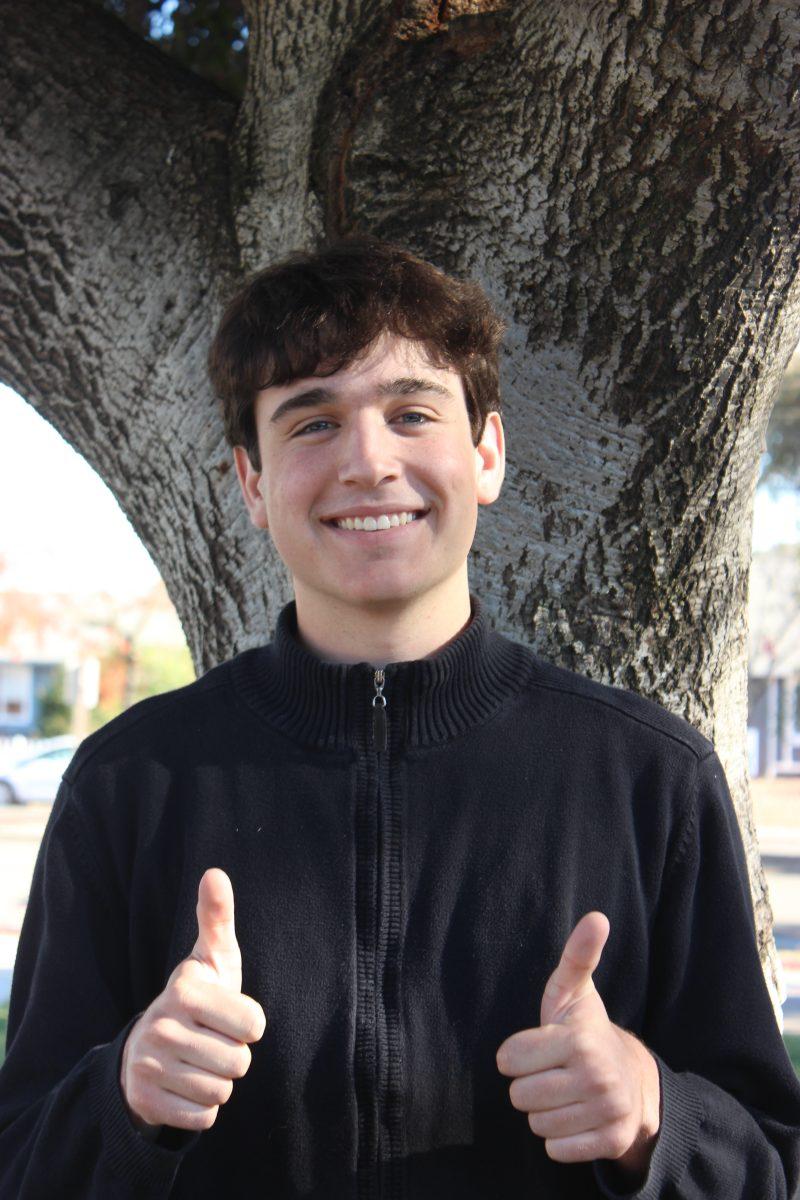
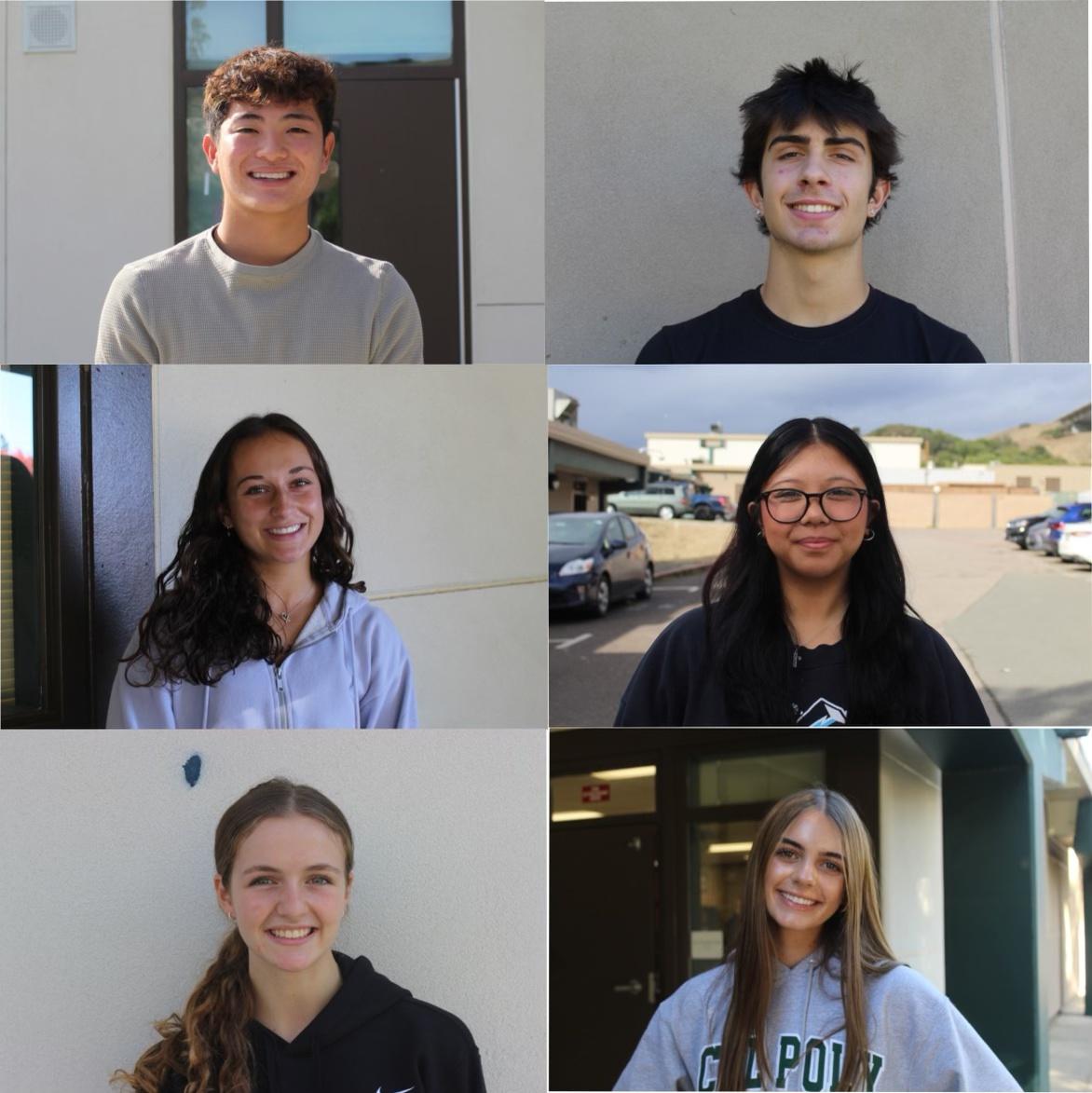
In each district, there is a winner, which is selected by the state representative of their respective district. San Marin High School lies in California’s second district and is represented by Jared Huffman. Juniors Alexander Cameron and Damien Boisvert won the 2025 challenge with their app “Seen,” which is a mental health tool created to provide teenagers with a private space to reflect on what they are going through, as well as support for their troubles.
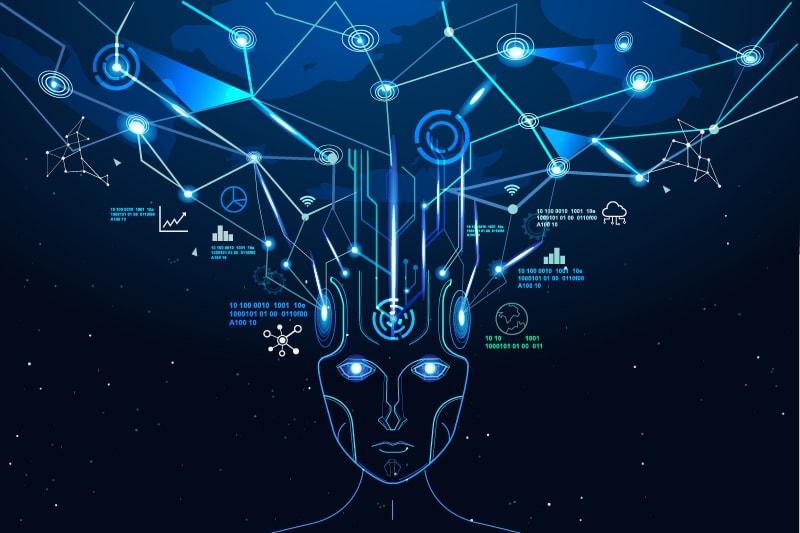
“[Our app includes] features such as mood tracking, where you can enter in your current feeling, you can journal, you can write out your thoughts and feelings, and reflect on your day,” Cameron said. “Then a built-in [Patient Health Questionnaire-9] assessment, which is a medically used mental health questionnaire to help assess how you’re feeling. Then once you’ve completed that questionnaire, you have an [artificial intelligence] that gives an analysis of all the information that you provided, and gives a list of recommendations to help with improving your mood.”
Cameron and Boisvert noticed that the mental health crisis began to affect the people close to them, and wanted to do something to help.
“I saw [the rise in mental health struggles with] my friends,” Cameron said. “I saw this online, especially during [the coronavirus pandemic]. I was able to see a lot of people vocalizing their concerns regarding their mental health, and how they’ve been feeling, especially with all the isolation. I wanted to try and make an app that would account for these issues and try to make a difference.”
After winning this competition, Cameron had advice for future applicants who are interested in engineering an app and winning this challenge.
“I’d say just go for it,” Cameron said. “If you have an idea and you think this idea could make a difference, then I’m sure that if you just try it, it could positively impact someone. So, making the effort to make that change is going to be really impactful for people.”
In 2024, San Marin student Rehan Nazeem won the award. He coded an app that was designed to predict and prevent a fire. With the 2016-2018 Napa County fires in mind, Nazeem combined his passion for programming with his desire to create change and help people.
“What [the app] did was synthesize past data of fire and also use weather data, and then also a physics simulation to be able to predict the path of a fire,” Nazeem said. “I’ve always been interested in global problems like this. Especially with climate change, I thought it was pretty impactful.”
In this modern age of technology and innovation, with new models and improvements coming out every year, there has been an increase in the value of people who specialize in one or multiple aspects of STEM, especially engineering. This challenge confirms and encourages young people to use their creativity and apply it to their coding skillset.