

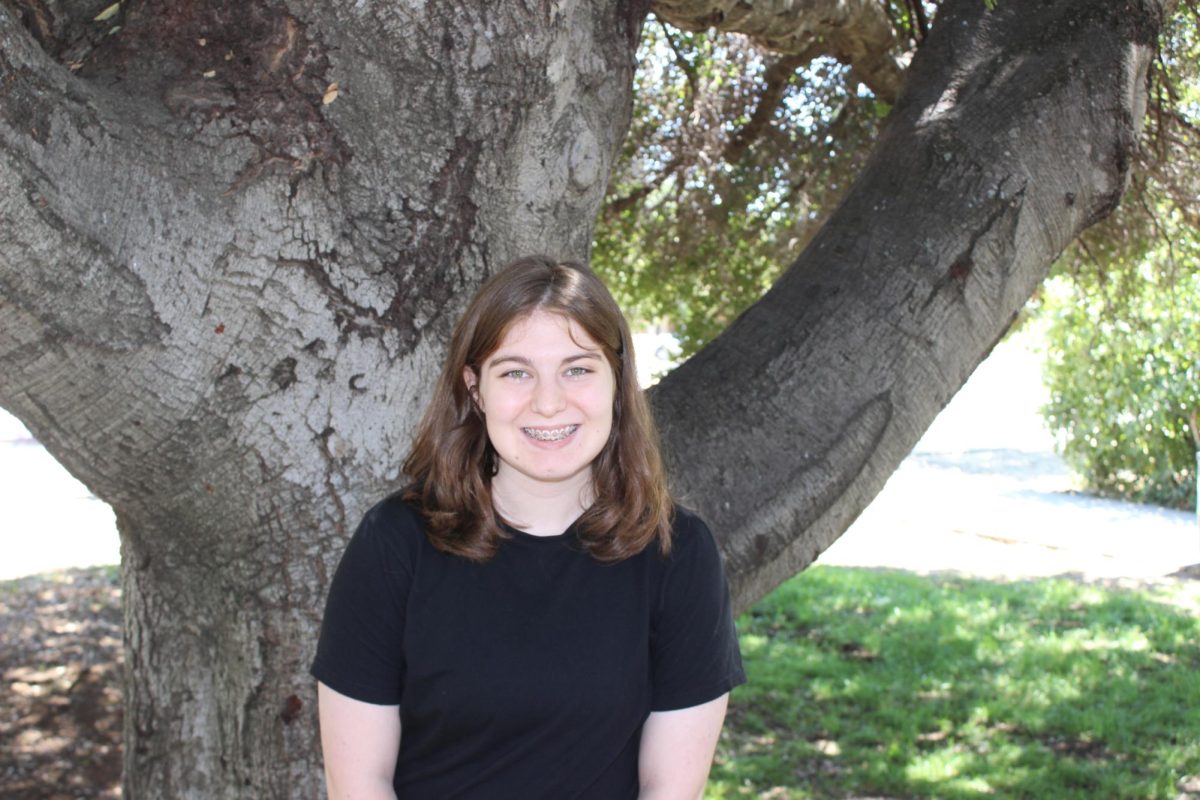
![“Tanning exposes your skin to [ultraviolet (UV)] light, and UV light is a known carcinogen, which means it can alter your DNA,” Biotechnology and biology teacher Gillian Boyd said. “It can change the sequences of DNA bases. The more exposure you have, the more risk you have to develop [skin] cancer.”](https://smhsponyexpress.org/wp-content/uploads/2026/06/IMG_0071-1200x798.jpeg)










![Remakes [and film adaptations of books] are often criticized for being too repetitive and unnecessary.](https://smhsponyexpress.org/wp-content/uploads/2026/06/IMG_0193-1200x558.jpeg)











Small mobile food vendors have been popping up around Novato in increasing numbers for the past few years. They have been around since the early 2000s but only recently have students taken notice of them.
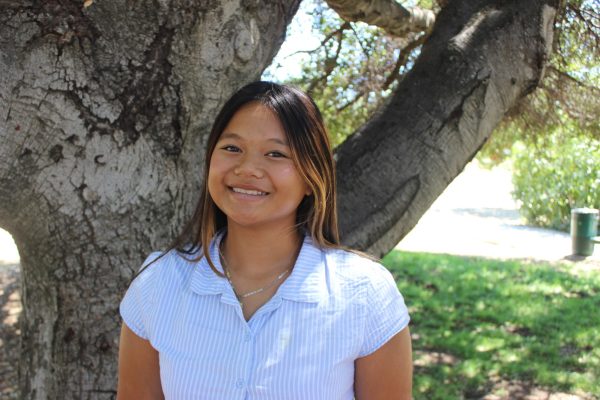
“I didn’t notice very many until I got into high school, that’s when I noticed more of them pop up downtown,” San Marin High School junior Erin Liao said.
These include food trucks, pop-up tents and food stands that provide meals and snacks to customers. The customs they incorporate foster cultural expression through food and unity within the community.
Data provided by Kent and Sandoval’s 2024 study on the cost to live in Marin County shows that casual meals in Marin typically cost about $25 per person, which is not sustainable for the average high school student working a minimum wage job.
“I think [food pop-ups are] pretty cheap and nice to have [at San Marin],” sophomore Sharva Baker said.
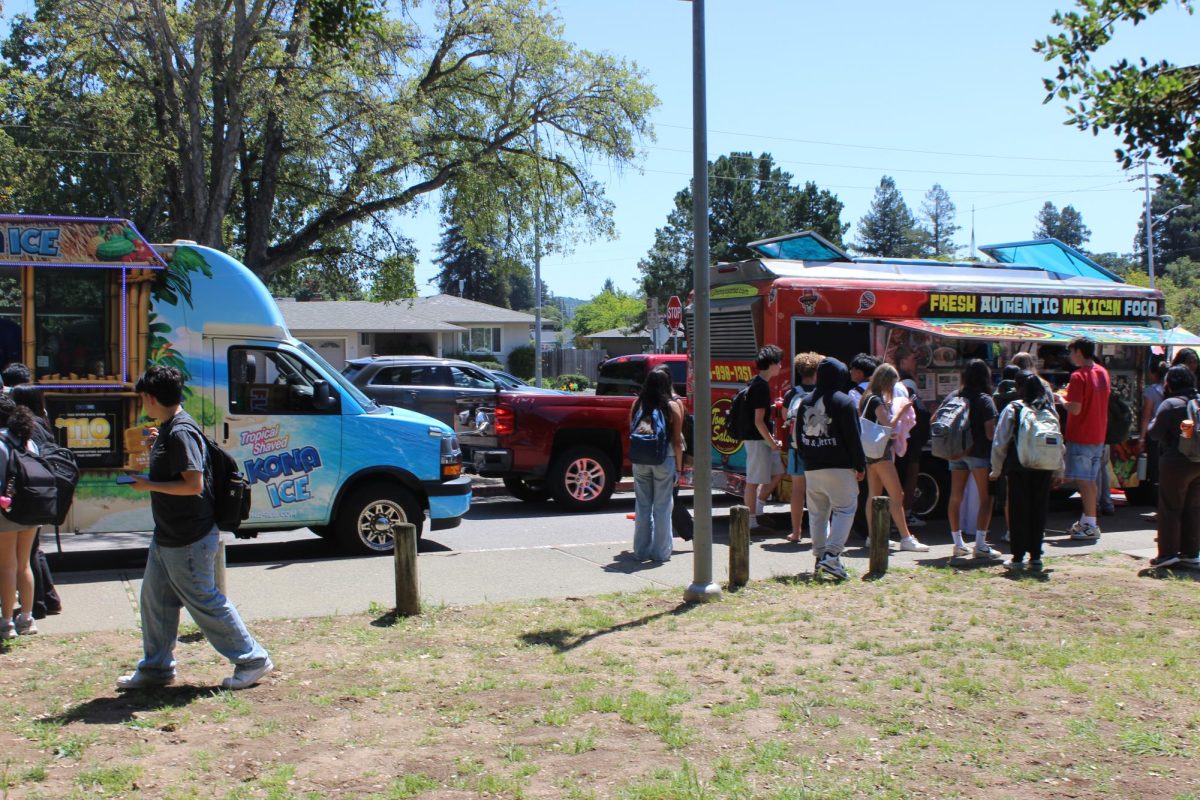
Food stands are located on the corners of populated streets or in front of schools. These accessible areas make it easy for people to stop for a few minutes, pick up food, and then go on their way. Food trucks also help cater events like prom, school sports, or weddings.
Vehicles such as Tommy’s Salsa food trucks can be found outside San Marin during lunch on Mondays, Wednesdays, and Fridays. Students have the ability to easily access and taste foods from different cultures. Tents and small food stands can be found popping up around 6 p.m. near the Summer Winds Nursery on South Novato Boulevard. These stands sell a range of Latin American foods including tacos, tortas and quesadillas with different meat options, such as steak, pork and chicken. The ability to spread out to different locations makes it easy for people from all over town to enjoy their food.
“If I want something in Hamilton but don’t want to drive all the way to Hamilton, [food trucks] make it really easy to get the food I am craving,” sophomore Tessa Christian said.
Existing restaurants, caterers, and even independent licensed food facilities in California must obtain a food permit by following a multi-step process in order to operate a pop-up stand. They must get permission to work a stand from the host faculty, apply for a Pop-Up Food Vendor permit, finalize a menu, and plan their operation style. Things like hygiene, supplies, and places for customers to enjoy their food must be considered. The most essential aspect of the set-up of pop-up stands is food safety protocol. A stand legally requires a food handler card and at least one person working at the stand needs to be a certified food safety manager. Street Vending Carts, typically characterized by rainbow umbrellas, food trucks and family-owned stands all have to follow the same protocols in order to serve customers.
Buying food from vendors supports local and small businesses, such as farmers. Owners often source ingredients from local food supply chains such as farmers’ markets and bakeries, supporting farmers and other food businesses in their area. The interconnectedness of these establishments is mutually beneficial to both industries as it creates jobs for the community, including staff, cooks, and event organizers.