![“Tanning exposes your skin to [ultraviolet (UV)] light, and UV light is a known carcinogen, which means it can alter your DNA,” Biotechnology and biology teacher Gillian Boyd said. “It can change the sequences of DNA bases. The more exposure you have, the more risk you have to develop [skin] cancer.”](https://smhsponyexpress.org/wp-content/uploads/2026/06/IMG_0071-1200x798.jpeg)

![Remakes [and film adaptations of books] are often criticized for being too repetitive and unnecessary.](https://smhsponyexpress.org/wp-content/uploads/2026/06/IMG_0193-1200x558.jpeg)

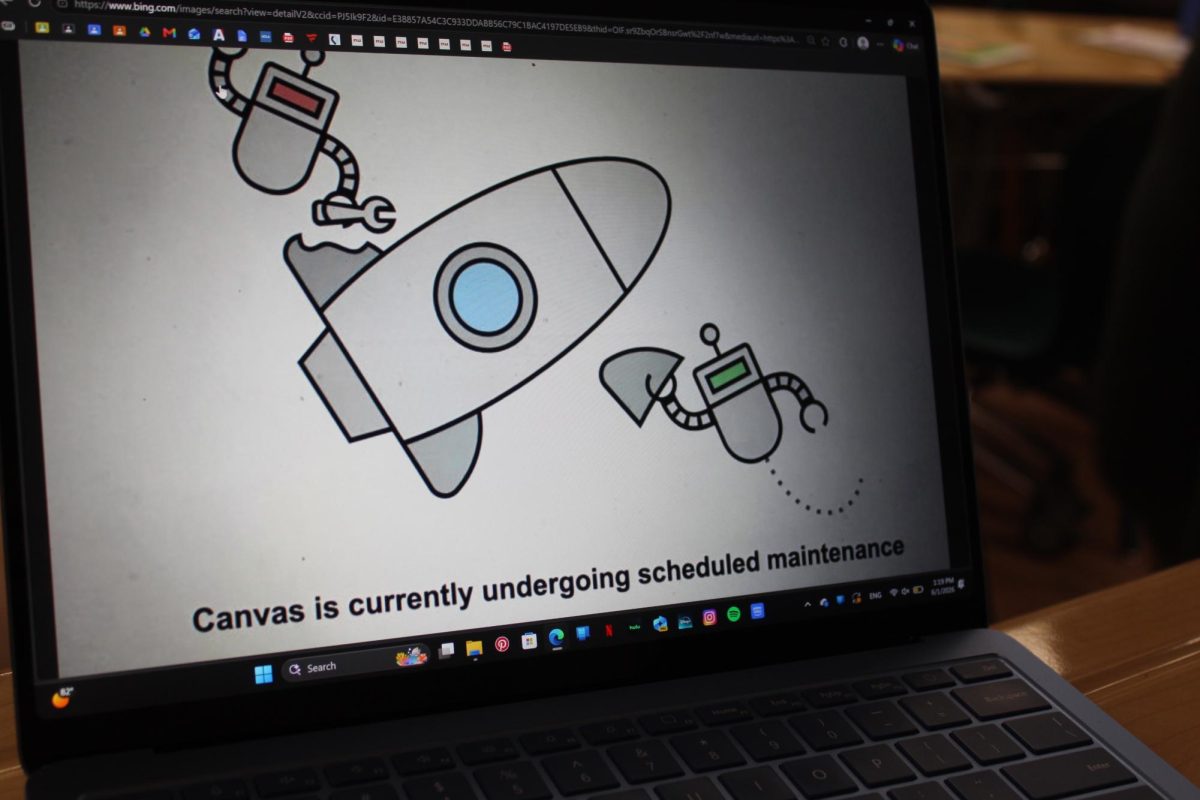
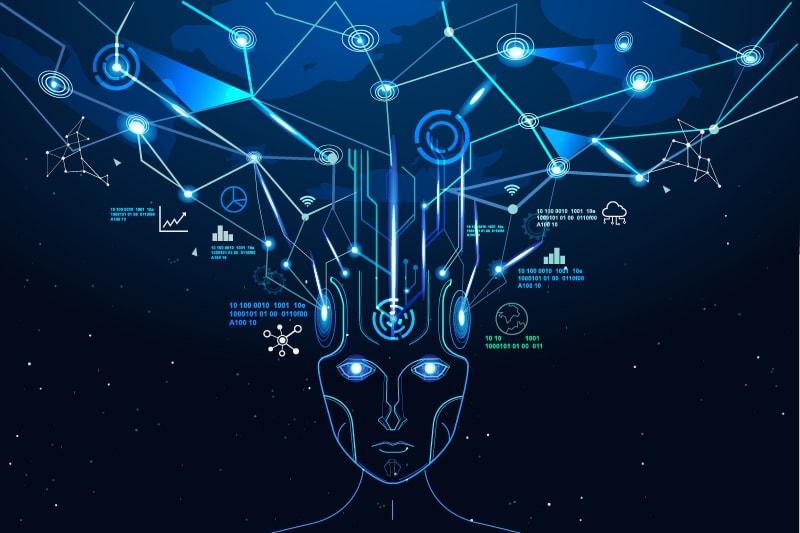
On May 7, 2026, Canvas, the digital hub for classrooms with more than 30 million users worldwide, was shut down because of a sitewide cyberattack. Universities across the United States such as Columbia, Harvard, and Georgetown received a ransom note on the Canvas homepage signed by the hacking group. The note demanded that Canvas’ parent company, Instructure, “pay or leak” the data of students, teachers and staff members.
San Marin High School’s French language program is offered to students online through Scout from the University of California (UC Scout), a Canvas-run platform.
“I heard about the Canvas shutdown on the news and there was a message sent out from UC Scout explaining the situation,” Novato Unified School District French teacher Deborah Levin said. “It wasn’t possible [for us] to log into UC Scout for a few days. Since students work at their own pace, it didn’t appear to create problems.”
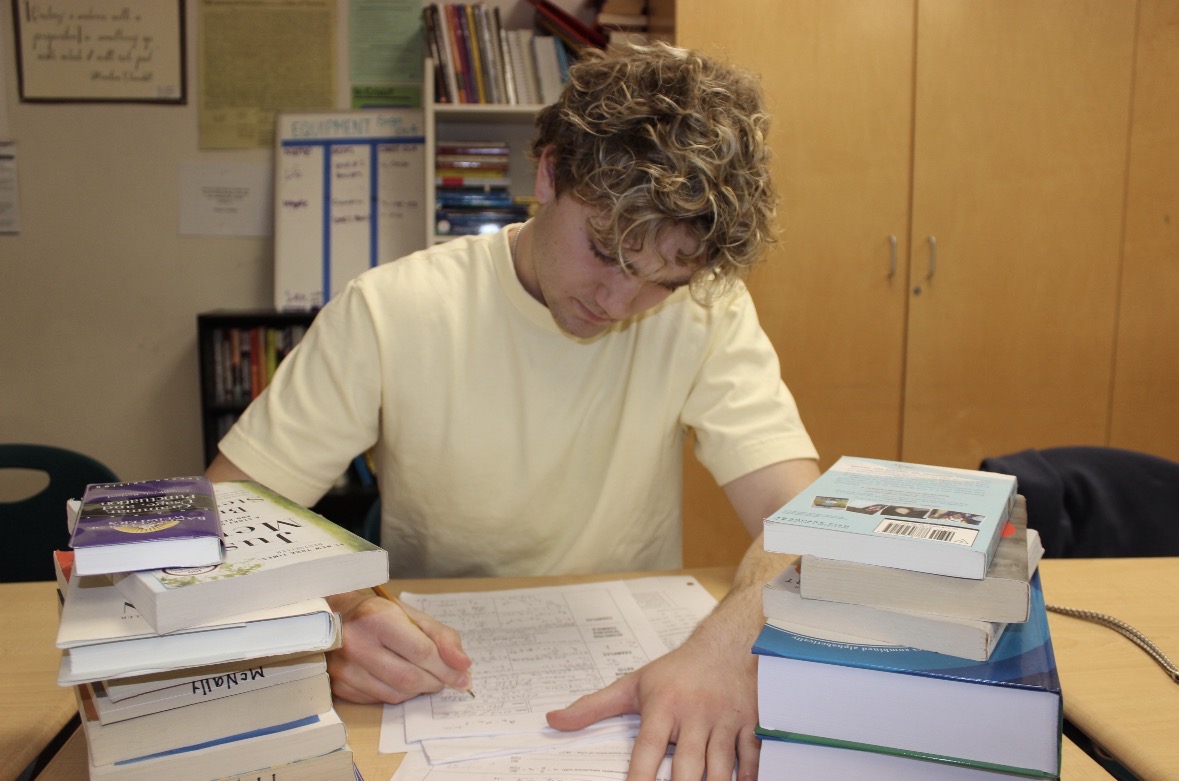
For college students, the hack had a more significant effect. Many universities were preparing for final exams and students were in the middle of submitting their last assignments of the school year. At schools where Canvas is used for coursework, students experienced communication and grading interruptions while the platform was not available. University of Pennsylvania student Anish Garimi was logged out of Canvas while trying to study, according to CNN.
“The biggest cause of fear and anxiety in me is that I was deprived of significant resources to study and do [my] best,” Grimaldi said in an interview with CNN.
Schools, teachers and administrators who were aware of the disruption gave extensions and extra time for students to complete assignments.
“I was already in a good spot to finish all my papers, so I’m not too bothered by it, but I do see it is helping me a little because I have gotten some extension,” Georgetown sophomore Minhal Nazeer said in an interview with CNN. “I just have more time to look over my things.”
At San Marin, French students were not as heavily impacted by the shutdown. French students were made aware of the shutdown by their teacher and were given extensions for work that was due that week.
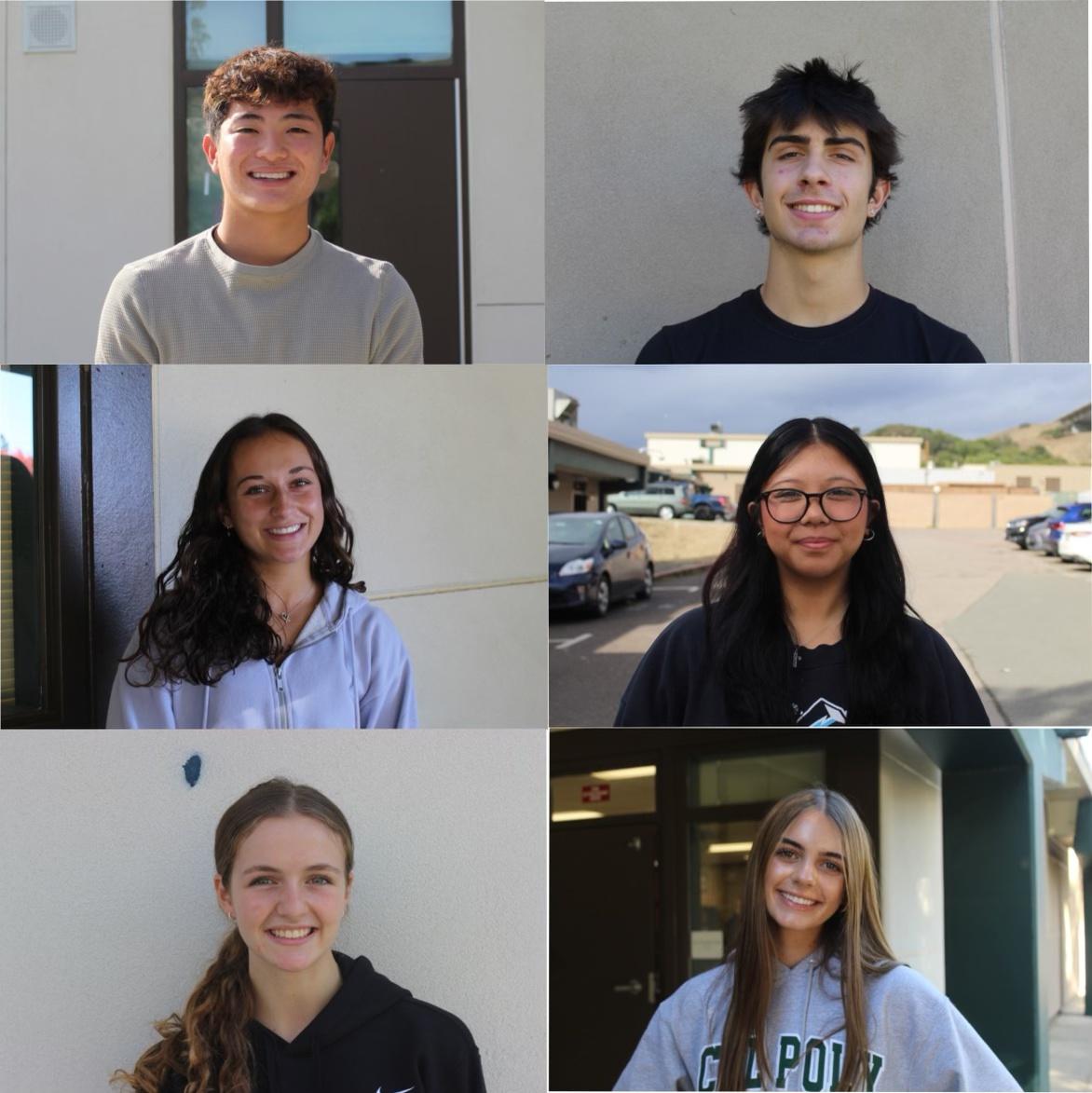
“I had a little fear because I heard there was a hacker,” senior and Advanced Placement (AP) French student Brianna Pineda said. “I didn’t want to log into my account and [see that] my information [had been] breached. [My teacher also] told us not to log in. We weren’t doing too much in class.”
Students believe that schools rely too heavily on digital learning platforms and that traditional learning methods should be a heavier focus in order to prevent data loss.
“I think we need to go back to paper,” senior and AP French student Kiana Namiranian said. “We need more visuals and more pencil-to-paper work.”
On May 8, 2026, Canvas was restored and schools were notified to log in and change their passwords after several days of the platform being shut down.
“[Technology is] unpredictable,” junior and French 3 student Katherine Ticas Gonzalez said. “It’s not secure. It’s non-reliable.”
The Canvas shutdown demonstrated that students and educators rely heavily on online tools when it comes to assignments and grading.