

![“Tanning exposes your skin to [ultraviolet (UV)] light, and UV light is a known carcinogen, which means it can alter your DNA,” Biotechnology and biology teacher Gillian Boyd said. “It can change the sequences of DNA bases. The more exposure you have, the more risk you have to develop [skin] cancer.”](https://smhsponyexpress.org/wp-content/uploads/2026/06/IMG_0071-1200x798.jpeg)










![Remakes [and film adaptations of books] are often criticized for being too repetitive and unnecessary.](https://smhsponyexpress.org/wp-content/uploads/2026/06/IMG_0193-1200x558.jpeg)








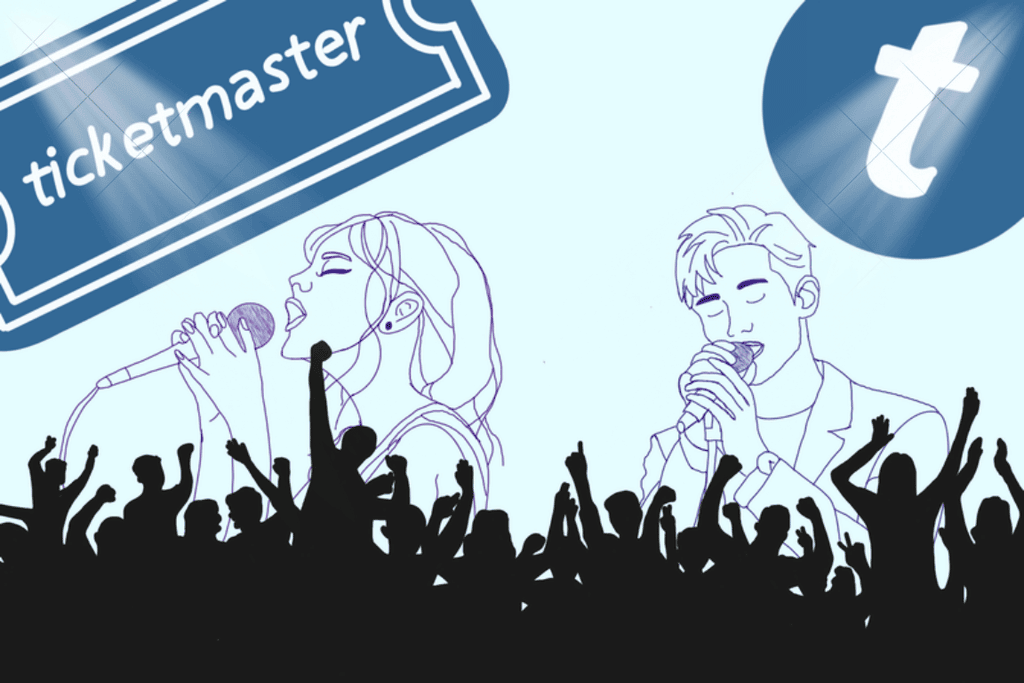
For decades, buying a concert ticket was seen as a straightforward process at a low price for a night of music. In the 2000s, a concert ticket for a big venue or a major tour was around $30. By 2026, prices for artists often range from $300 to $1,000. The “Ticketmaster War” is an ongoing conflict between fans, artists, and law enforcement over how concert tickets are sold and priced.
Ticketmaster controls a large part of the live music industry, especially after merging with Live Nation, another ticket promotion website, which means there is not much competition to keep prices low. Ticket prices have risen significantly because of this, often including fees and dynamic pricing, meaning prices increase when demand is high. This issue drew national attention during 2022 when Taylor Swift’s Eras Tour was happening, prompting a government investigation and a hearing about whether the current system is fair to consumers.
The rise of dynamic pricing has reshaped the concert industry, turning it into a market driven by demand and profit. While companies like Ticketmaster often take the blame, the reality is more complicated. Artists and their teams have significant control over ticket-pricing strategies, including whether to enable dynamic pricing. This means that popular artists who already earn large sums from streams and advertising choose to keep ticket prices high for their own benefit.
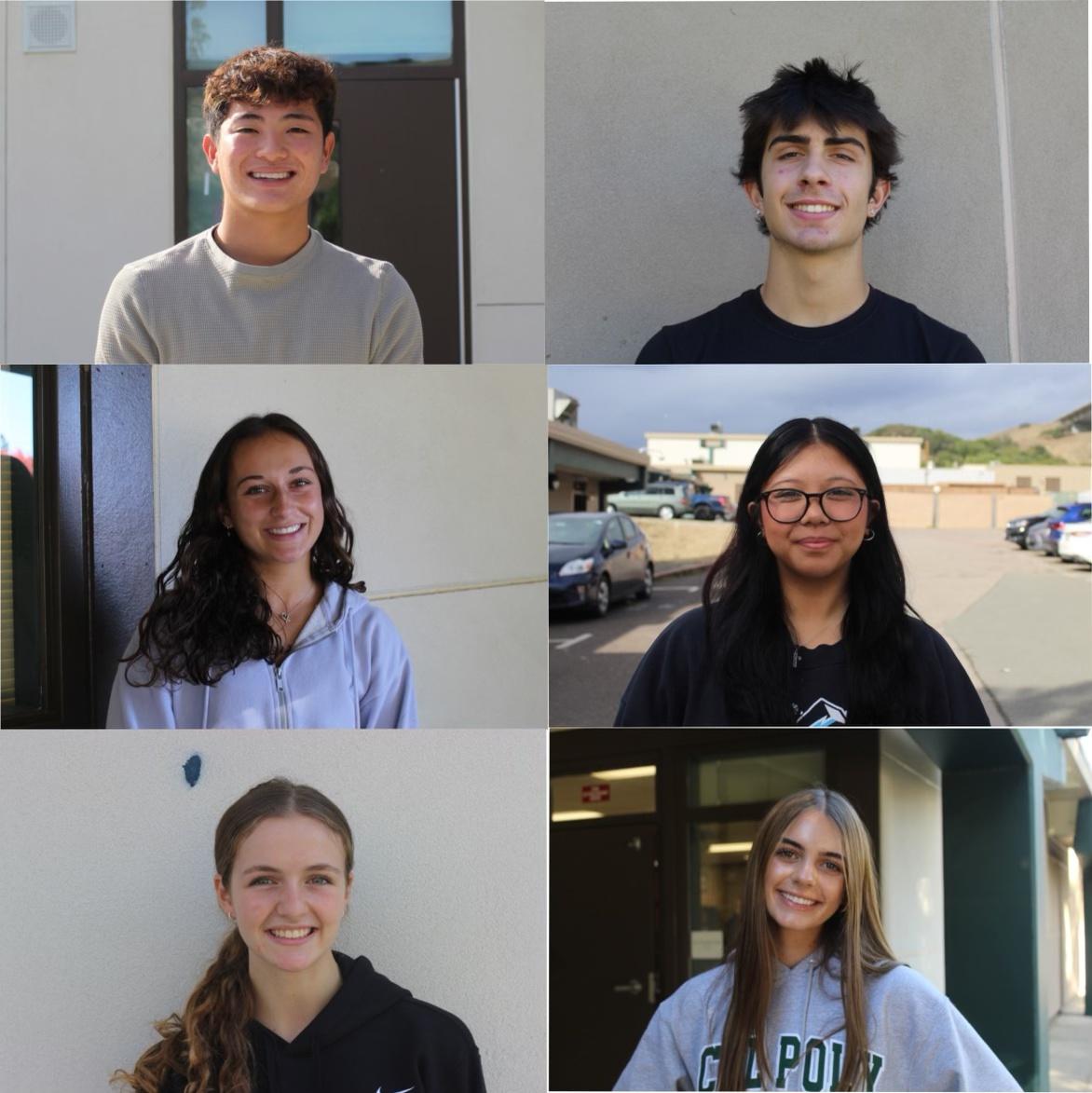
“I think that dynamic pricing is really unfair,” San Marin High School junior Annie Stewart said. “If you’re not a reseller buying hundreds of tickets, then you’re not going to get a fair price on it, and people who should deserve to go to concerts don’t end up getting the tickets.”
This system creates a barrier that makes attending concerts increasingly unrealistic for many fans. “I truly enjoy going to concerts and love to go with friends and family,” sophomore Jackson Lyons said. “But for most of the artists and festivals that I would love to go to, they have prices that are too high for me to attend.”
Some students at San Marin choose to go to smaller concerts at local restaurants. These venues often offer a more personal experience, as fans are closer to the musicians, the crowd feels more intimate and the prices are lower.
“At a local show, I feel more connected to the artist, and appreciate the sound more,” junior Brittanya Green said. “It’s a personalized experience. In big venues like stadiums, I rarely feel connected to the artists.”
People are still drawn to big concerts and festivals, even though they can be expensive. Events such as Outside Lands and Coachella offer unique experiences that smaller shows cannot match. This includes huge crowds, impressive stage production, and multiple artists performing in one place. For fans, it is not just about the music, but about the atmosphere that comes with bringing thousands of people together to share the same excitement and create lasting memories with friends.
“Big concerts and festivals are worth the high cost because you get to create really valuable memories and unique experiences,” Stewart said.
This shift has also created a cultural divide. Live music, once seen as a shared experience open to a wide audience, is becoming increasingly exclusive.
“When only the wealthy can get good seats, you start to see fewer ‘die-hard fans’ getting the best spots, and see more wealthy people in the front row, regardless of how much they like the artists,” Green said. “This makes the connection between artists and fans almost inaccessible to fans without money.”
Students, families and average fans are being priced out, while those with higher incomes can continue to attend without hesitation.
The result is a concert environment that is less diverse and less connected to the everyday fans who helped build these artists’ success in the first place. If this trend continues, the long-term impact could be significant. Artists risk alienating their core audiences, and the industry could see a decline in overall engagement from younger generations who simply cannot afford to attend.