











![Remakes [and film adaptations of books] are often criticized for being too repetitive and unnecessary.](https://smhsponyexpress.org/wp-content/uploads/2026/06/IMG_0193-1200x558.jpeg)














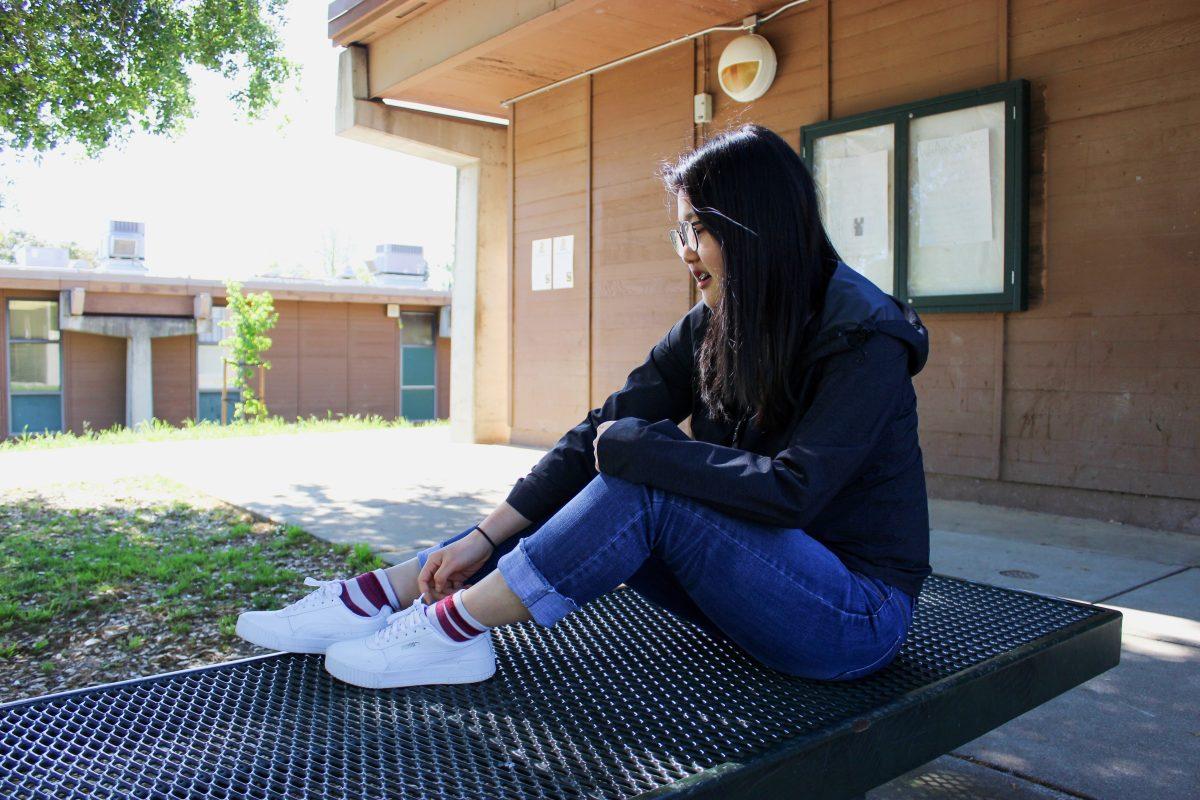
![“Tanning exposes your skin to [ultraviolet (UV)] light, and UV light is a known carcinogen, which means it can alter your DNA,” Biotechnology and biology teacher Gillian Boyd said. “It can change the sequences of DNA bases. The more exposure you have, the more risk you have to develop [skin] cancer.”](https://smhsponyexpress.org/wp-content/uploads/2026/06/IMG_0071-1200x798.jpeg)
Teenagers often spend an increased amount of time in the sun leading into the summer time. This can include summer sports, pool days and tanning. This prolonged sun exposure can lead to an increased risk of skin cancer.
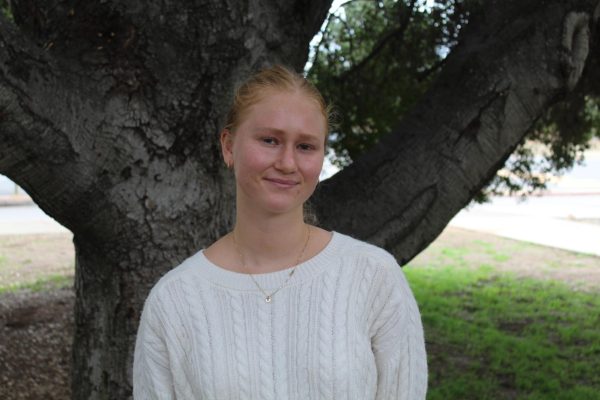
“Tanning exposes your skin to [ultraviolet (UV)] light, and UV light is a known carcinogen, which means it can alter your DNA,” Biotechnology and biology teacher Gillian Boyd said. “It can change the sequences of DNA bases. The more exposure you have, the more risk you have to develop [skin] cancer.”
A combination of environmental and genetic factors influence skin cancer. While some people may have genetic predispositions that increase their chances of developing cancer, lifestyle choices play a significant role. These choices include tanning in the sun without sun protection, using tanning beds, curing nails with UV light or applying insufficient sunscreen. Over one million Americans are currently living with skin cancer, according to the American Academy of Dermatology Association. An estimated 234,680 new cases of melanoma, a deadly type of skin cancer, will be diagnosed this year in the United States alone.
San Marin High School parent Abram McMickin was diagnosed with skin cancer in 2023 and has since had it removed through a biopsy, a procedure where a dermatologist removes the cancerous skin. Sunscreen use was less prevalent during the years of McMickin’s childhood than it is today. McMickin believes beauty standards and the normalization of tanning can influence people to engage in dangerous activities without recognizing the harm that comes with participating in them.
“A lot of people [tan] to be more attractive or whatever we think that society wants, but that comes with a price too,” McMickin said. “No one was made aware of how terrible [tanning] is for your skin to be exposed to the sun, especially during the summer.”
In modern society, tanning has become a normalized part of many teenagers’ summer routines and activities. It has also become aligned with beauty standards, which prompts many teens to tan. Sophomore Lucy Harstad has experienced the influences of tanning culture.
“There’s large popularity around [tanning] and it makes people want to do it even more,” Harstad said. “Because everyone does it, everyone thinks it’s okay.”
The lack of information about the effects of tanning may affect other decision-making regarding sun exposure.
“I don’t really see information online about [sun exposure],” Harstad said. “I think that more information about it would make people tan less or more safely.”
Many alternative methods to achieve a tan exist without excessive sun exposure.
“Daily sunscreen is a must,” Boyd said. “You should always be aware of what products you put on your skin, but there are many products that can give the same color of tan without the UV damage.”
The normalization and widespread acceptance of tanning can have many effects, including encouraging others to tan. The normalization and even encouragement of tanning culture affects many San Marin students and can lead to negative consequences.When anyone is out in the summer sun, an individual should consider their health and the damage that can occur from improper care.