


![“Tanning exposes your skin to [ultraviolet (UV)] light, and UV light is a known carcinogen, which means it can alter your DNA,” Biotechnology and biology teacher Gillian Boyd said. “It can change the sequences of DNA bases. The more exposure you have, the more risk you have to develop [skin] cancer.”](https://smhsponyexpress.org/wp-content/uploads/2026/06/IMG_0071-1200x798.jpeg)







![Remakes [and film adaptations of books] are often criticized for being too repetitive and unnecessary.](https://smhsponyexpress.org/wp-content/uploads/2026/06/IMG_0193-1200x558.jpeg)

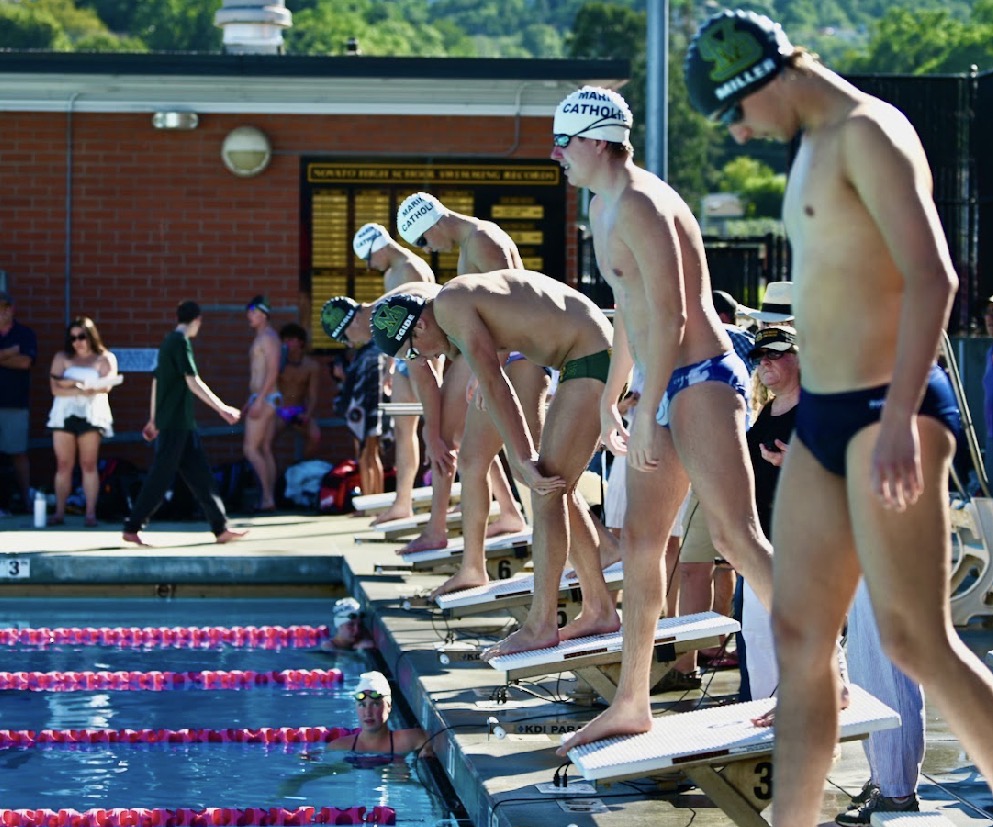










Student athletes at San Marin High School attend a full day at school and then have hours of practice. A select number of athletes are also competing to play sports at the collegiate level and beyond, starting with college recruitment. Outside of recreational practice, student athletes travel nationwide for competitions to show their skills to college coaches and recruiters.
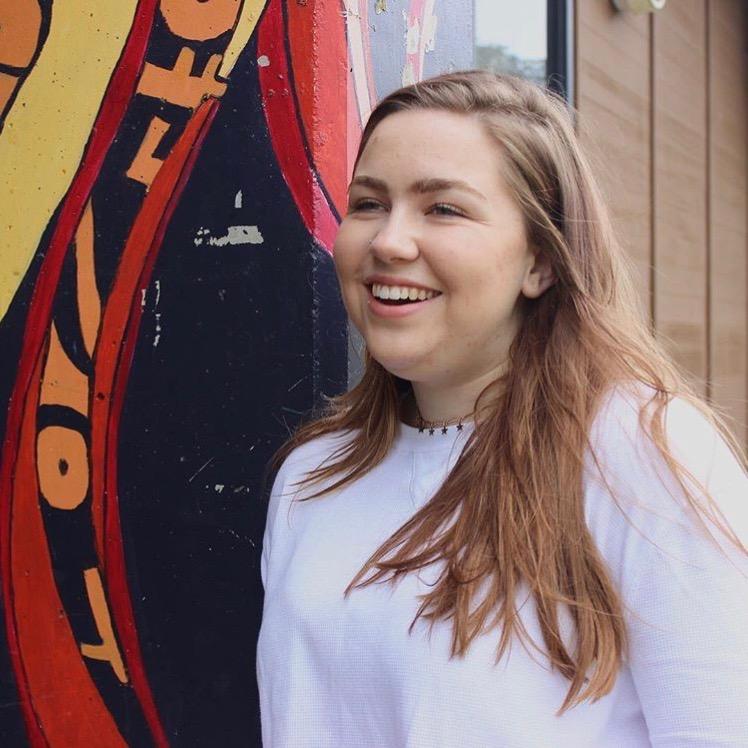
Senior Alex Chamberlain started playing lacrosse in third grade and has played competitively for over six years. After recognizing her passion for lacrosse, she started playing for higher-intensity competitive teams. She currently plays on Mad Dog, a national youth lacrosse club with teams in multiple states. She began to take lacrosse more seriously in her freshman year after realizing she wanted to play college lacrosse.
“I would sometimes have to go to school on Friday and then drive [to Orange County] Friday night,” Chamberlain said. “We practiced Saturday and Sunday, and then we came home right after practice on Sunday.”
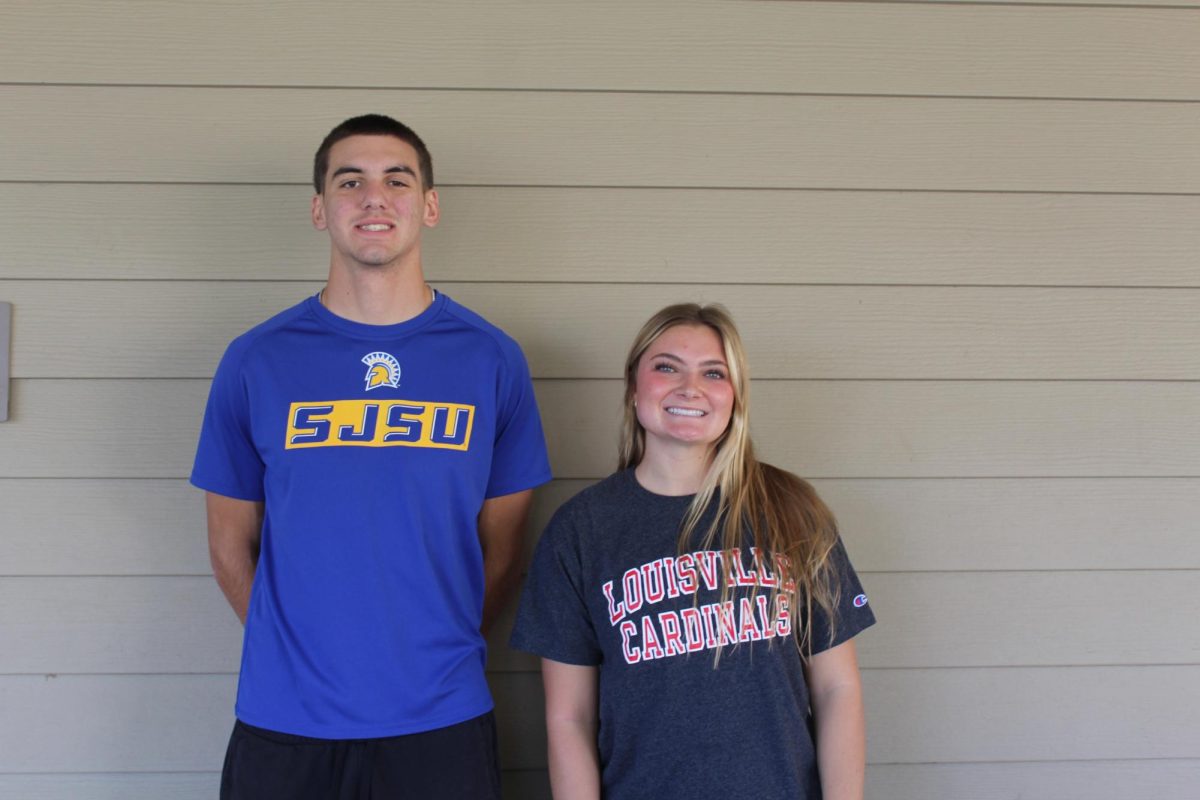
College coaches and recruiters are not allowed to contact high school athletes until Sept. 1 of their junior year. Players hoping to be recruited will often play on teams that focus on recruitment by going to tournaments and showcases so college coaches can watch them play without a direct invitation. Chamberlain did not know that she needed to play on a recruiting team, so she reclassed her senior year. Instead of playing with the senior class of 2026, she played with the current junior class of 2027. Despite having multiple interests for different schools, she was confident in her choice to commit to play Division I (DI) lacrosse at the University of Louisville.
“I had a couple of visits [to colleges planned] after Louisville, but I ended up not doing them because I knew that Louisville was what I wanted once I saw it,” Chamberlain said. “It has everything I really wanted in a college, like a big football team, basketball, and other [events] to go to.”
The summer before senior year, Chamberlain was flying to the East Coast for a week to train, flying home for a few days, then flying back across the country to repeat her training schedule. This past summer, she would train every day with her sister, Peyton Chamberlain, who is also committed to playing DI lacrosse at the University of Louisville in 2027.
“Before junior year, I would go out and train every single day,” Alex Chamberlain said. “Peyton and I would go and we would do all of our conditioning and we work out every day, so that goes into the training too. Then this past summer, we had a lot more (practices) with Mad Dog, so we did a lot more practices, and then we had a ton of tournaments.”
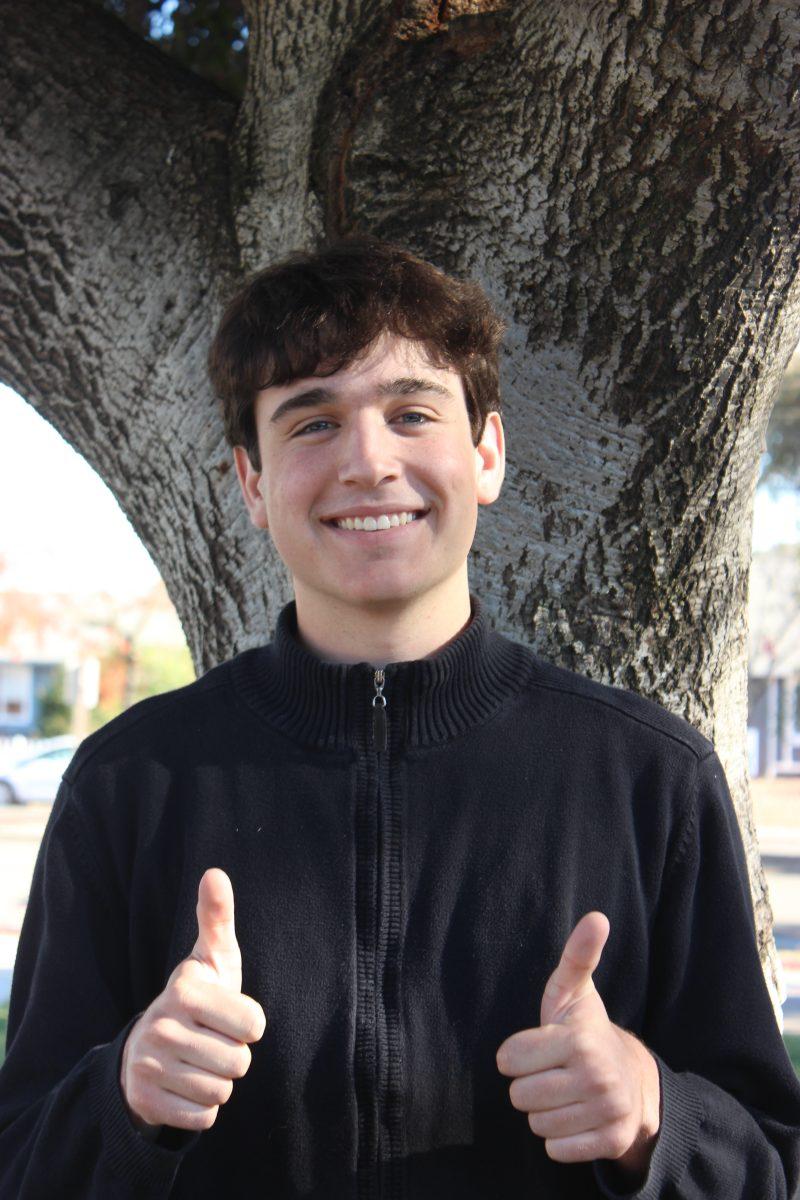
Senior Daniel Rolovich, the starting quarterback for the San Marin Mustangs, has been playing football for seven years and has been around the game his whole life. Near the end of middle school, he realized he could play at the college level.
“I think in eighth grade, I realized I had a chance to do it just because I had been around the sport for so long with my dad,” Rolovich said. “And then I kind of grew up in it, and that’s when I realized, my path kind of looked similar to a lot of the players that he coached.”
With the transfer portal and college athletes being paid to play, athletes have to start showcasing themselves at a much younger stage in their careers to get noticed by coaches. Most importantly, going to camps lets coaches evaluate athletes in person and if they are impressed enough, they can offer an athlete a full athletic scholarship.
“My recruiting really started sophomore year when I got my first offer to San Jose State, and then I played my junior year, and after that, it kind of picked up,” Rolovich said. “I got a bunch of Ivy League offers and [was] going to camps and really showcasing myself and putting myself out there.”
While strengthening athletic abilities that are needed to be recruited, developing the mental side of the game is just as important, especially with name, image, and likeness, college fanbases, and social media nowadays. It can be a lot for athletes to handle by themselves, hundreds of miles away from their friends and family.
“[I’m] trying to manage my time better because playing a sport in college basically becomes a full-time job, because you’ll be able to get paid for it all,” Rolovich said. “And I think excelling in your sport is more important in college than it is in high school.”
As of April 2025, Rolovich has committed to play DI football at San Jose State University. He plans on enrolling early in the spring at San Jose, as enrolling early for athletes can give them a better chance to play early and give them more opportunities to showcase their skills to the coaches.
“I am enrolling early in San Jose just because I want a chance to compete and play early, and being able to get there in the spring and compete in spring ball is a big part of that,” Rolovich said.
All of these students have spent the past four years training for their sport and have fought for a spot to play in college. They will continue to compete for their high school season and look forward to advancing their skills to the next level in college.