![“Tanning exposes your skin to [ultraviolet (UV)] light, and UV light is a known carcinogen, which means it can alter your DNA,” Biotechnology and biology teacher Gillian Boyd said. “It can change the sequences of DNA bases. The more exposure you have, the more risk you have to develop [skin] cancer.”](https://smhsponyexpress.org/wp-content/uploads/2026/06/IMG_0071-1200x798.jpeg)



![Remakes [and film adaptations of books] are often criticized for being too repetitive and unnecessary.](https://smhsponyexpress.org/wp-content/uploads/2026/06/IMG_0193-1200x558.jpeg)
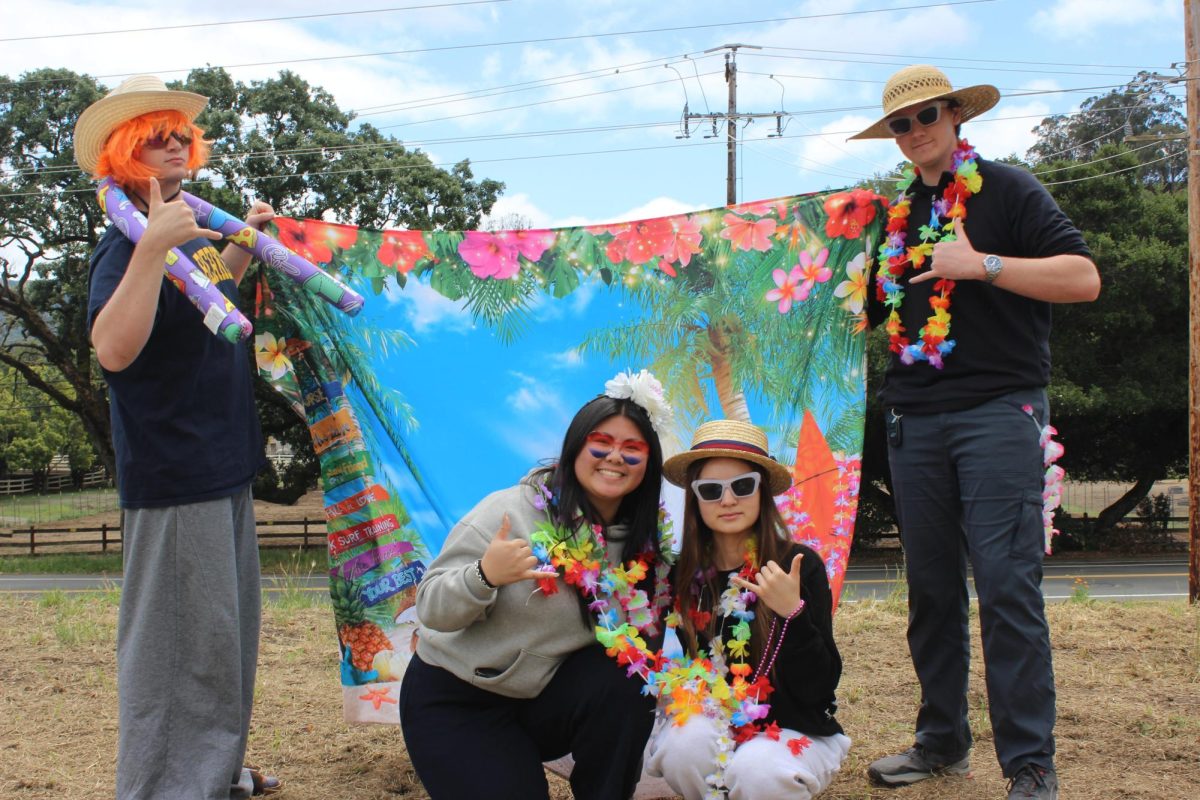







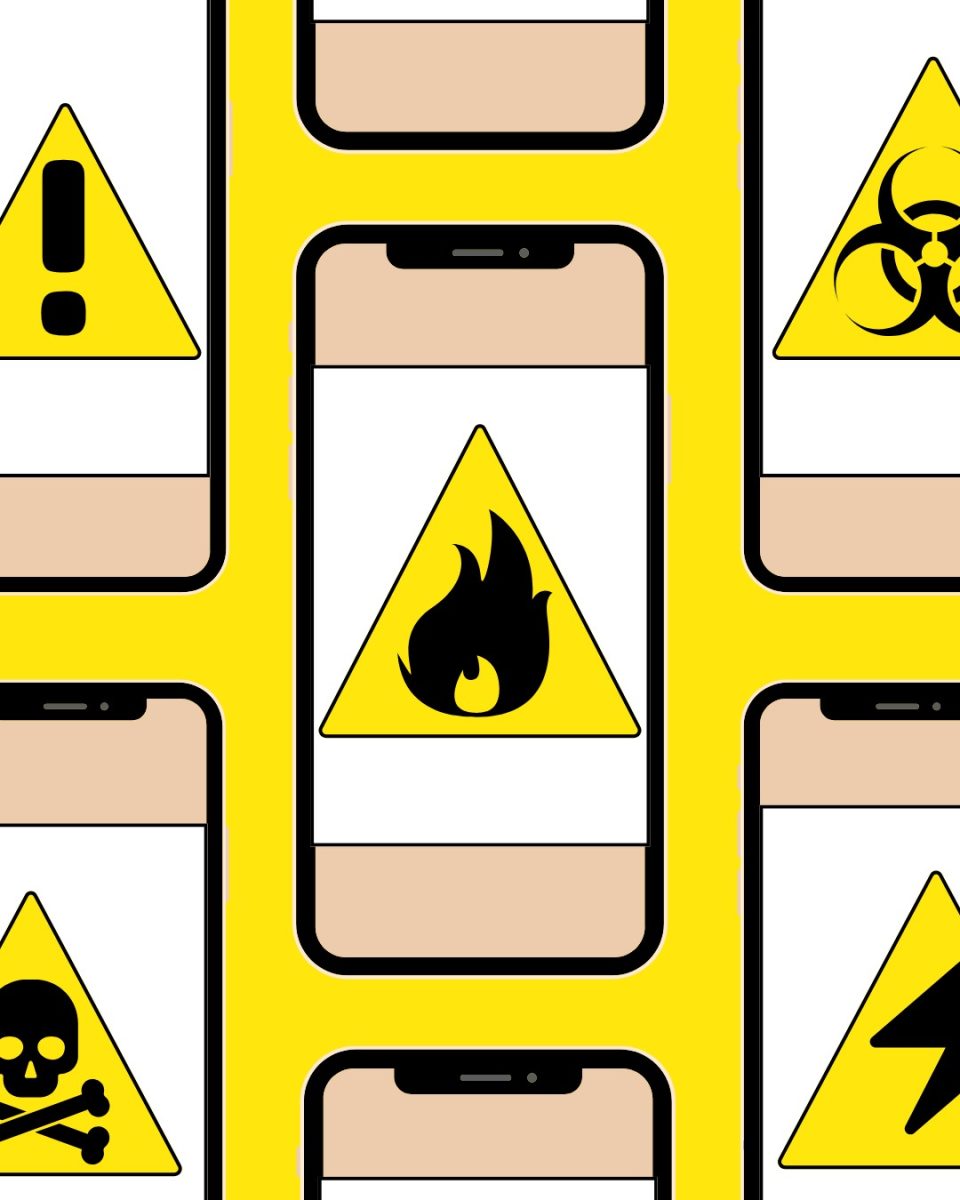
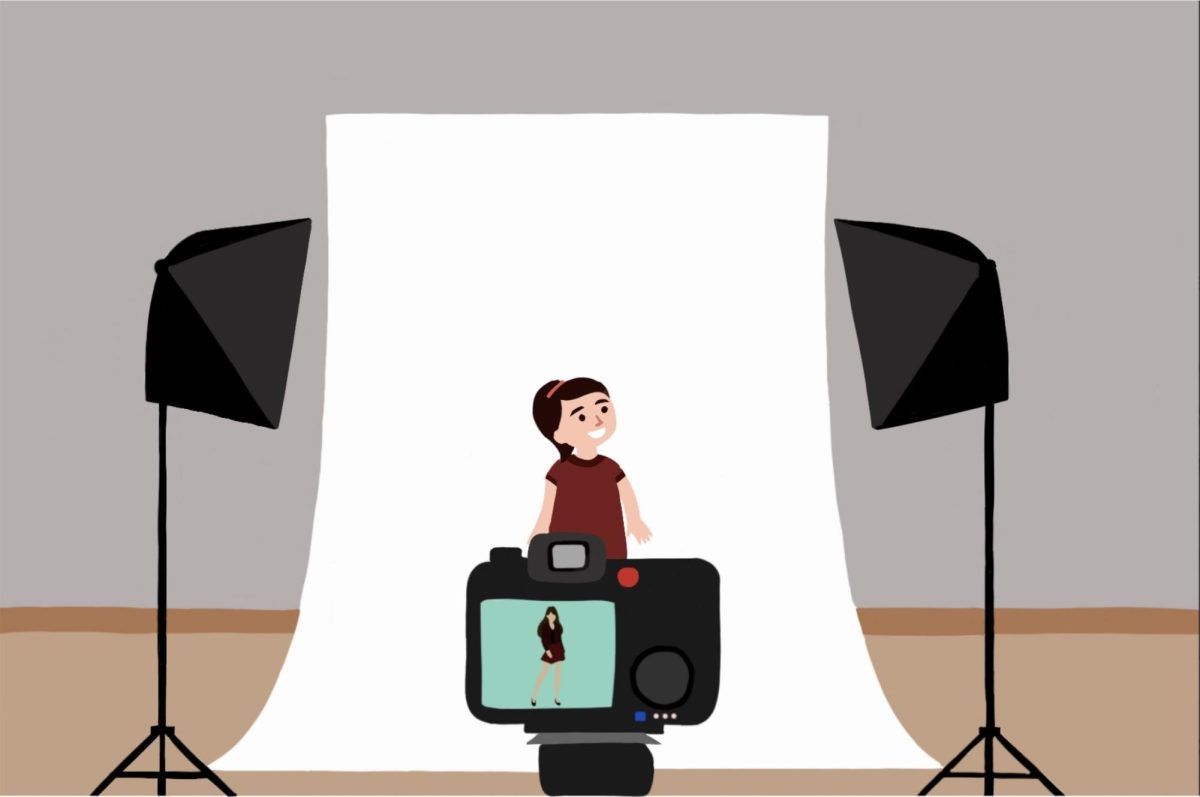
Risky challenges and dangerous behaviors are spreading amongst teens on social media. According to the American Psychological Association, teenagers spend an average of four to five hours each day watching videos across social media sites. Some videos may influence teens to participate in trends that, in some cases, can lead to physical and mental harm. These trends include the “devious licks” trend from 2021 that encouraged vandalizing school property and, more recently, “subway surfing,” where people stand on the top of a moving train. Five people, including three minors, have died due to “subway surfing” in 2025 so far.
Trends like these on social media can set a high-risk environment for teens wanting to be considered socially cool. Students at San Marin High School can see these trends online and engage in dangerous activities, potentially hurting oneself and also those around them.
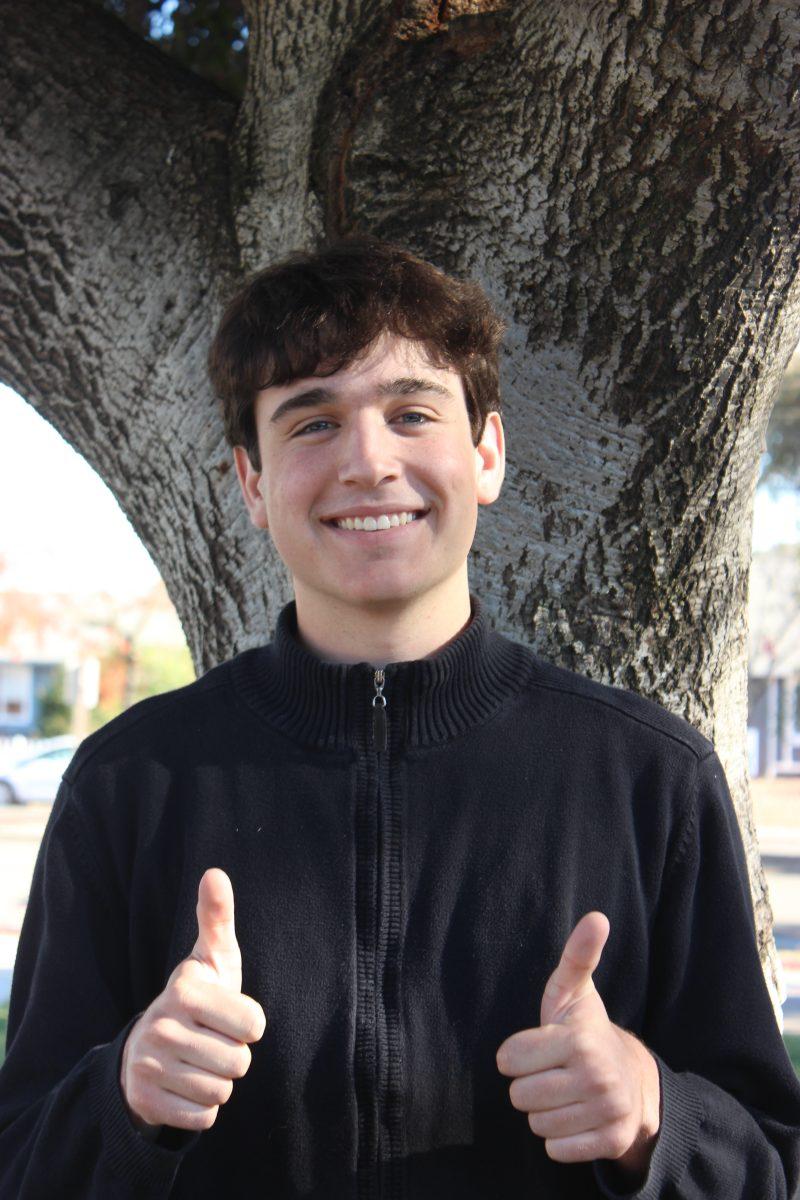
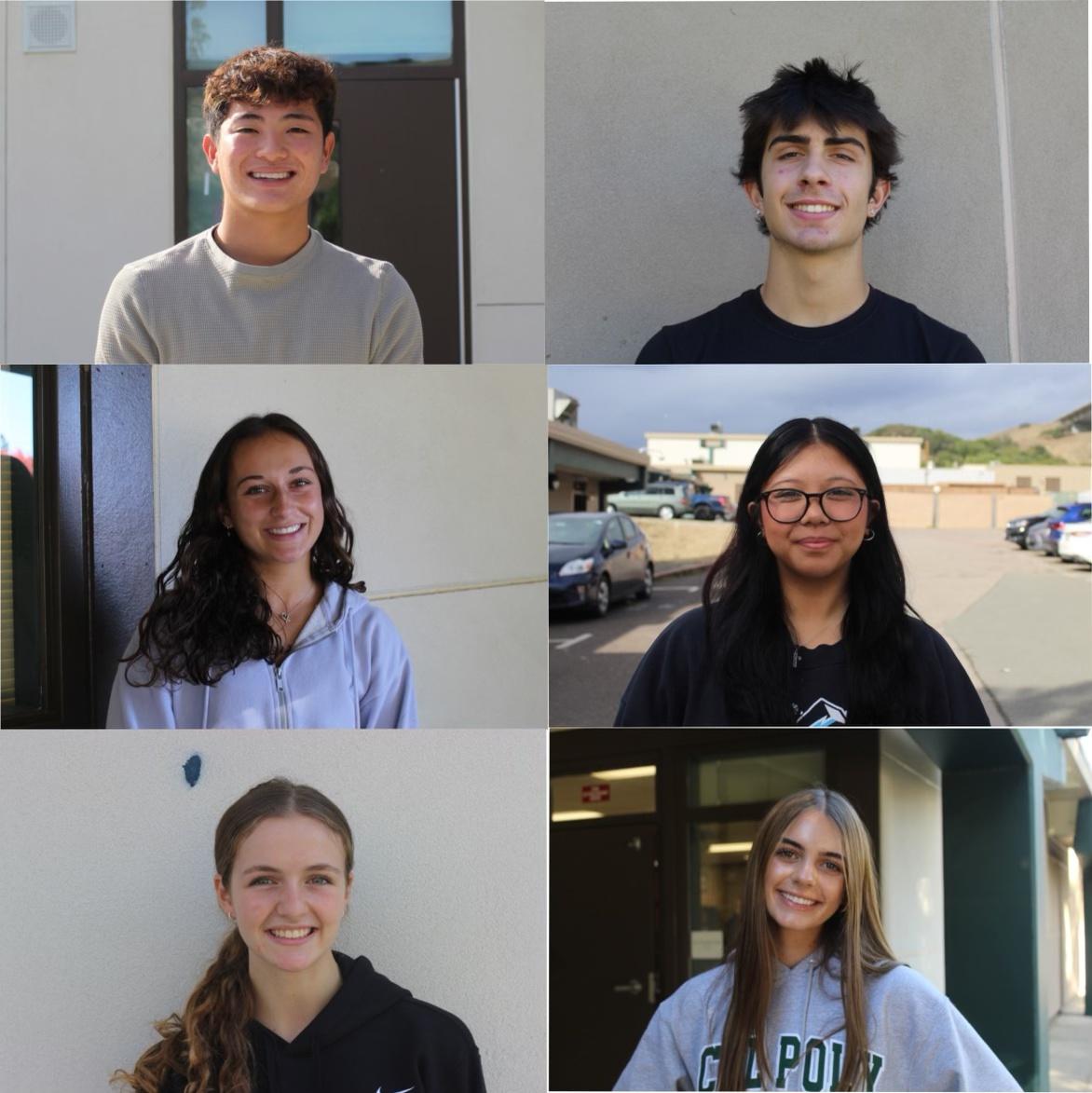
“People see a lot of things on social media and get ideas on what to do,” freshman Phoebe Deltour-Currier said. “I’ve seen people bully others and copy recent trends at school.”
Social media apps like TikTok show videos of teens riding electric bikes (e-bikes) without helmets and disobeying road rules. E-bikes have taken over the teen community at San Marin because owning one does not require a driver’s license and offer a form of easy transportation. These behaviors have become normalized as some students feel pressured to fit in by partaking in these actions, such as abusing e-bike privileges, leading to an increased risk of accidents occurring.
A Special Committee on Youth E-Bike Safety in Marin County found that from 2019 to 2022, 911 calls in Marin related to all bikes rose 110% among school-aged youth. In 2023 Public Health began to collect data on 911 reports involving e-bikes compared to conventional bikes. The e-bike accident rate in Marin for 10-15-year-olds is five times higher than any other age group. On conventional bikes, 10-15-year-olds have a 150% higher accident rate compared to other age groups.
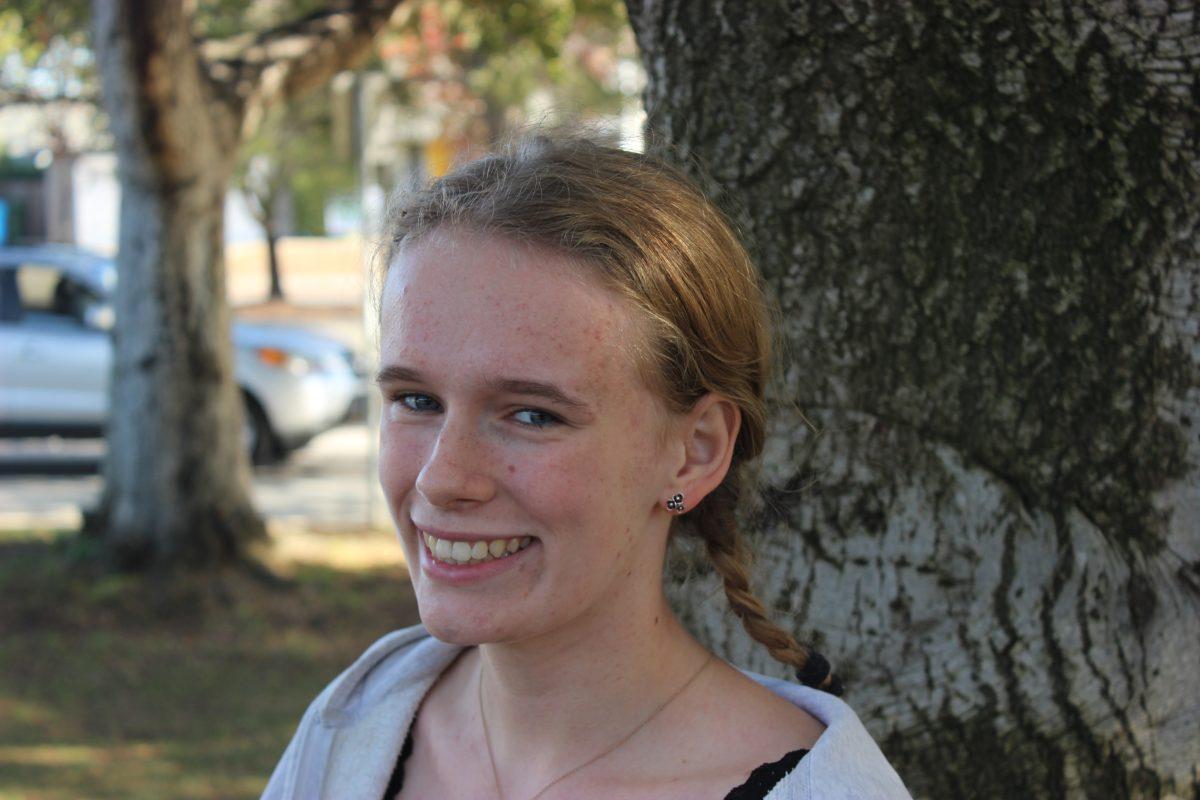
“There’s an influence on students’ lives in terms of seeing what’s cool or what they see others doing,” English 10 and English Language Development teacher Camille Bernt said.
The largest concern is that, even though teens understand and recognize that these trends can be dangerous, they continue to partake in them.
“The people who participate in them usually don’t have the most self-confidence,” sophomore Jackson Lyons said. “They think that since other kids are doing it too, they can be a part of a group or involved.”
While some time on social media can be beneficial, spending large amounts of time can create destructive behaviors.
“I do get really concerned about social media influences, especially about harmful trends and body images,” Bernt said.
Wanting to fit in with other students can lead to increased pressure to participate in these trends. What may seem like harmless hours on screens can result in unfortunate events, impacting not only students’ lives but also those around them.