


![“Tanning exposes your skin to [ultraviolet (UV)] light, and UV light is a known carcinogen, which means it can alter your DNA,” Biotechnology and biology teacher Gillian Boyd said. “It can change the sequences of DNA bases. The more exposure you have, the more risk you have to develop [skin] cancer.”](https://smhsponyexpress.org/wp-content/uploads/2026/06/IMG_0071-1200x798.jpeg)









![Remakes [and film adaptations of books] are often criticized for being too repetitive and unnecessary.](https://smhsponyexpress.org/wp-content/uploads/2026/06/IMG_0193-1200x558.jpeg)













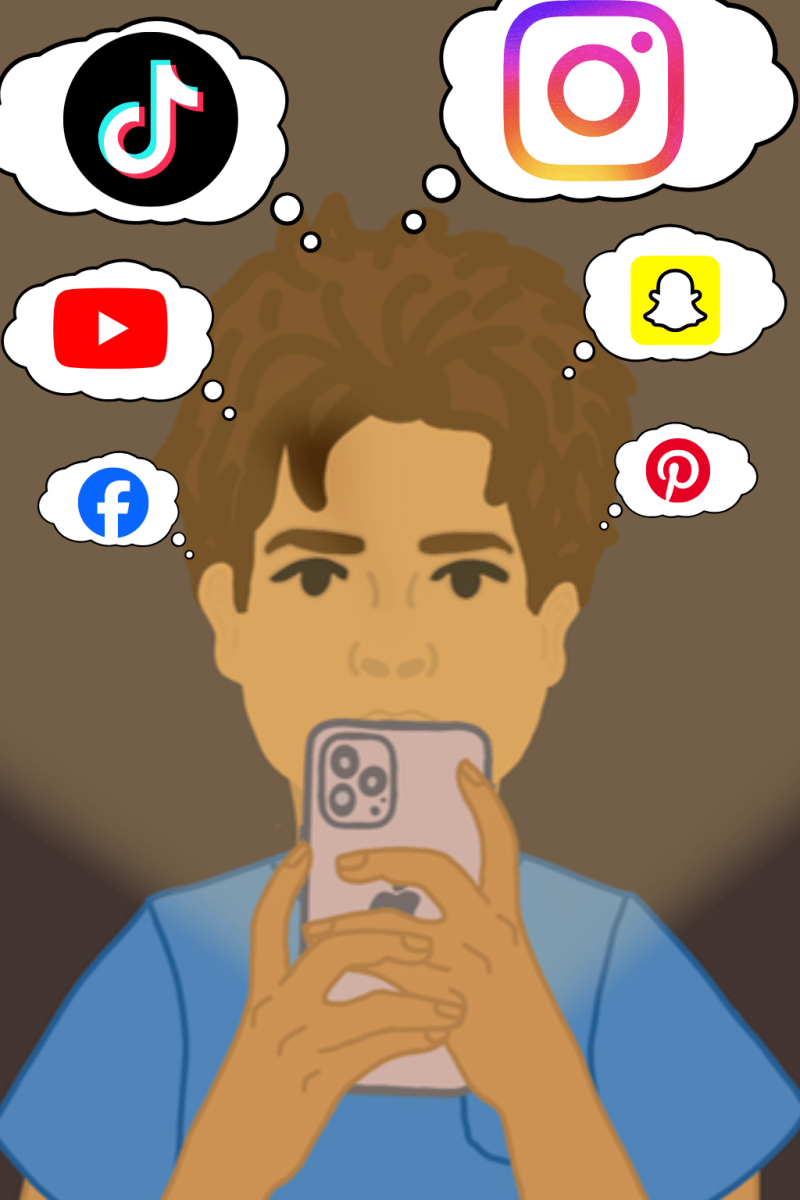
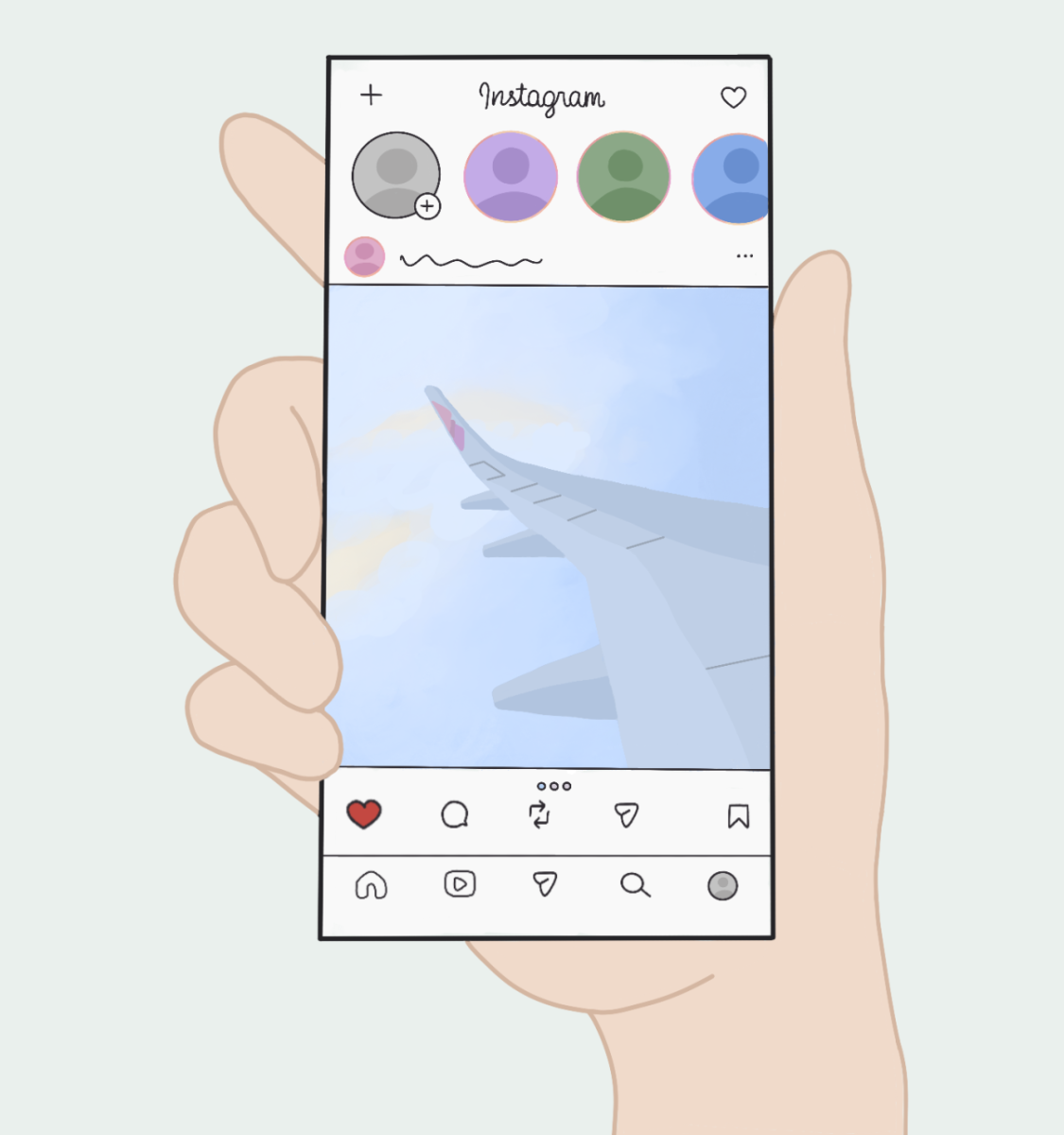
Lawsuits across the United States are accusing Meta Platforms Inc., the parent company of social media platforms Instagram and Facebook, of allegedly designing addictive platforms for teenagers that harm their mental health. Since 2020, lawsuits against Meta have been filed across 43 states and 1,000 school districts for allegedly causing depression, eating disorders, anxiety, self-harm, and suicide in active teenage users. The lawsuits filed against Meta argue that the platforms have violated protection laws and designed features that intentionally exploit teenage users’ mental health. Plaintiffs claim that Meta failed to warn users and their parents about risks tied to prolonged use of social media. The case may also test the limits of Section 230 of the Communications Decency Act, a law that protects technology companies from liability of user content, according to ABC News.
Many experts and the plaintiffs in these cases argue that social media platforms are intentionally designed to keep users engaged. Features such as infinite scrolling and algorithm-driven video feeds encourage users to stay on the apps longer. Platforms such as Instagram personalize content, making it difficult for users to stop spending time on social media. Medical director of addiction medicine at Stanford University and psychiatrist Dr. Anna Lembke defines addiction as “the continued, compulsive use of a substance or a behavior despite harm to self or others.”
Social media addiction stems from the brain’s dopamine and reward system, which typically help humans to develop survival skills. The constant access to entertainment that social media offers causes a spike in dopamine, a neurotransmitter associated with pleasure and rewards. Receiving likes on posts or watching endless content signals to the brain that the experience is enjoyable, encouraging repetitive use to achieve the same feeling. This is known as a variable ratio reinforcement schedule, and is associated with greater problems such as alcohol abuse or gambling addictions.
“There needs to be some level of awareness, if not accountability, for making sure that people understand kind of what they’re doing,” Advanced Placement (AP) Art History and AP European History teacher Robert Watson said. “These algorithms basically hack your brain in a way to make you crave engagement with it, where you kind of keep going back to it. I think [these platforms are intentionally designed to addict teens]. Full stop.”
The American Psychological Association (APA) found that heavy social media use is linked to high rates of anxiety and depression in teenagers and young adults.
“Evidence suggests that exposure to maladaptive behavior may promote similar behavior among vulnerable youth, and online social reinforcement of these behaviors may be related to increased risk for serious psychological symptoms, even after controlling for offline influences,” APA said in a health advisory on social media usage in May 2023.
In 2021, former Facebook employee Frances Haugen leaked internal documents, known commonly as “Facebook Files,” that suggested that Meta was aware of features on Facebook and Instagram that could negatively affect the mental health and body image of teens. Haugen testified before lawmakers that social media algorithms often prioritize engagement over safety, which raised public concerns over whether tech companies should be held accountable for the effects of their platforms.
“I think tech companies are partially to blame,” San Marin High School parent Veronica Herrera said. “They have the technology to intercept some of the more harmful postings, but it is not lucrative for them, so they don’t. As parents, we also must take part in that responsibility, because we need to be more proactive in how we provide access to the devices and at what age.”
Meta is denying all charges against their company, and claims that they have integrated features to protect teens who use their media platforms, such as by implementing “teen accounts.”
“We have listened to parents, researched the issues that matter most, and made real changes to protect teens online,” Meta said in a statement to CNN. “Despite the snippets of conversations or cherry-picked quotes that plaintiffs’ counsel may use to paint an intentionally misleading picture of the company, we’re proud of the progress we’ve made, we stand by our record of putting teen safety first, and we’ll keep making improvements.”
Despite Meta having already introduced “teen accounts,” which limit certain content and add parental controls, some researchers believe that there need to be broader solutions to preventing addiction and damage to mental health, including stronger age-verification systems, increased digital literacy education for teens, and greater transparency on how social media algorithms function.
Teens in the United States spend an average of nearly five hours per day on social media apps, with Instagram, YouTube, and TikTok accounting for 87% of their daily usage. 41% of teens with a screen time of five hours or more rated their mental health as very poor, according to the American Psychological Association. A 20-year-old woman, identified as K.G.M., testified in Los Angeles Superior Court on Feb. 26, 2026 that her social media addiction began when she was six years old. She also claimed that her warped self-image and depression was caused by her addiction, according to CNN. One day, she spent 16 hours on social media.
“I stopped engaging with my family because I was spending all my time on social media,” K.G.M said. “It prevented me from making friends because I was on my phone at school. It caused me to compare myself to other people and that made me feel very depressed.”
While the effects of social media on mental health are debated across the country, students at San Marin have expressed that social media impacts them negatively.
“Social media does make me view myself in a different way,” sophomore Tessa Christian said. “When I see other peoples’ posts…I start to overwhelm myself [by] doing things [to be more like them]. After [using social media], I am a much quieter person and not the loud, boisterous person I really am.”
Teachers at San Marin also notice that social media influences students’ ability to focus and how they interact with each other.
“I see it all the time with my students here, [they have] shorter attention spans,” Watson said. “It’s not making [students] happier in a lot of respects and it’s getting in the way of [students] engaging with each other when the time is there. [If you] go look at video from inside a classroom on high school campuses in the 1980s and 90s, it looks fun because kids are talking to each other, they’re engaged.”
Parents have expressed disappointment with the way that social media companies design their platforms, conveying concern because these platforms have a significant influence in their children’s lives.
“I would tell [social media companies] to think about the future they are creating for our children, not everything needs to be about money,” Herrera said. “Use your data to protect our children and not harm them.”
On March 25, 2026 a jury in the K.G.M. case determined that Meta was guilty of intentionally harming young users’ mental health and concealed what they knew about child exploitation on platforms. Meta owes “$4.2 million in combined compensatory,” in a ruling that follows the New Mexico ruling where a jury also found Meta guilty. The decisions made in these lawsuits could influence how social media platforms will operate for the next generation of users.