






![“Tanning exposes your skin to [ultraviolet (UV)] light, and UV light is a known carcinogen, which means it can alter your DNA,” Biotechnology and biology teacher Gillian Boyd said. “It can change the sequences of DNA bases. The more exposure you have, the more risk you have to develop [skin] cancer.”](https://smhsponyexpress.org/wp-content/uploads/2026/06/IMG_0071-1200x798.jpeg)












![Remakes [and film adaptations of books] are often criticized for being too repetitive and unnecessary.](https://smhsponyexpress.org/wp-content/uploads/2026/06/IMG_0193-1200x558.jpeg)
















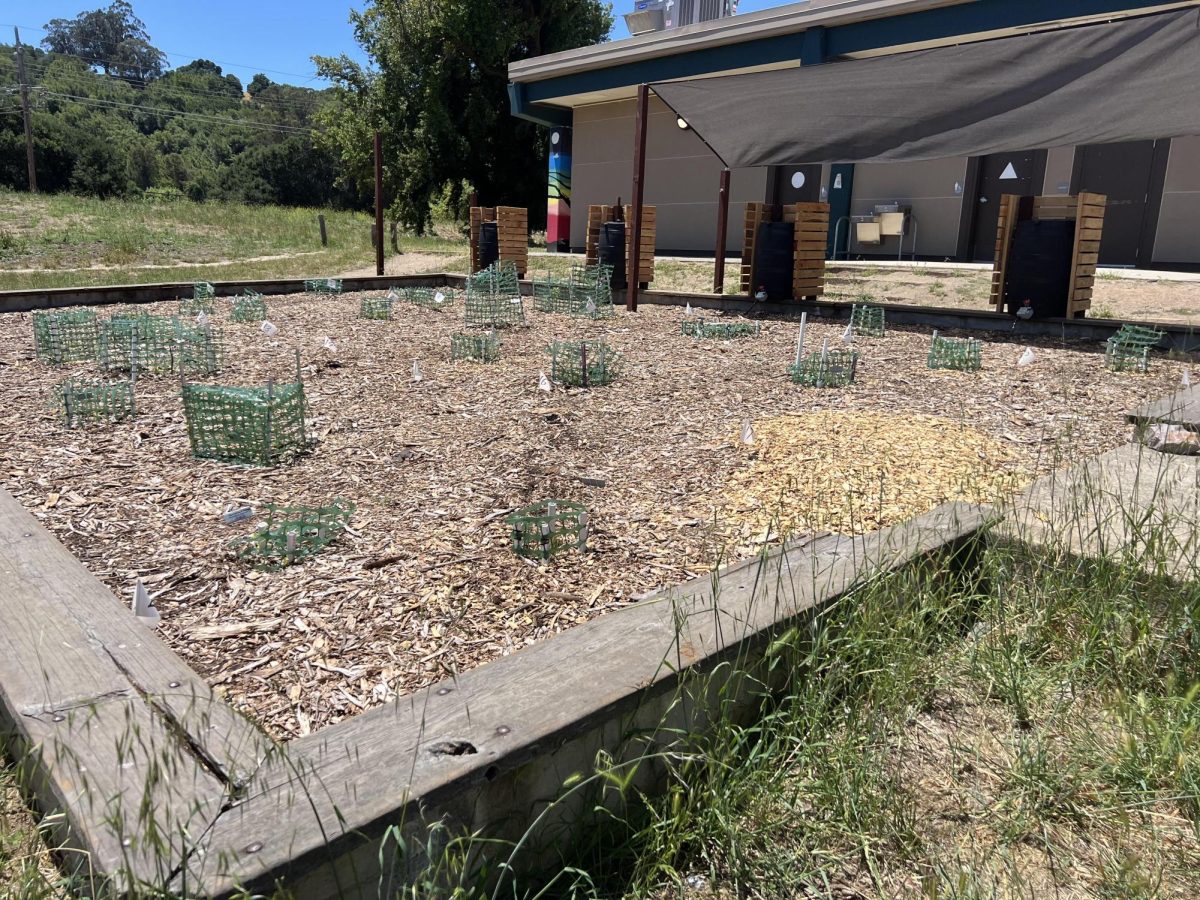
As the chill of winter fades, May brings the optimal climate needed for a home garden to thrive. The transition to longer days filled with warmer temperatures creates an ideal time to plant warm seasonal plants, such as certain types of flowers, vegetables, and herbs. Plants get more sunlight because of the increased amount of sunlight that spring offers. Spring plants are able to generate an adequate amount of energy to flourish in these new environments without worrying about freezing over during nighttime temperatures.
The faster growing times of these plants mean that they require higher soil nourishment. Some common practices include adding a layer of compost to beds to improve soil structure or refreshing containers by replacing old soil with new potting mix. It is also recommended to apply a couple of inches of mulch, like pine straw or shredded leaves, on top of the soil to help retain moisture from the May showers and suppress weeds. This is especially important going into the dry summer months, where the soil is likely to become brittle if not cared for properly.
As the soil warms, weeds can emerge rapidly, so removing them early can help improve the survival rate of younger, newly sown plants. Monitoring for early signs of pests, particularly on new growth, is critical during this time when gardens are more susceptible to invasions.
In the engineering pathway at San Marin High School, students take an ecology class focused on ecological engineering during sophomore year, taught by Nicole Katsulis. With every unit that the class covers, they do an activity in the school garden that relates to what they learned. The plot of land next to the cafeteria has slowly been developing since the beginning of this year into a stable garden full of helpful plants.
“They’re all native, pollinator friendly, drought resistant plants, like manzanita, lilac, stinky monkey flower, and milkweed,” Katsulis said.
When people are choosing how to design their gardens, it is beneficial for them to consider what types of plants are native to their area. Native plants tend to be drought resistant, especially in arid and semi-arid climates, allowing them to survive with the limited water provided by the environment. This mindful landscaping uses, on average, 85% less water than traditional plants, lowering household bills. The plant’s compatibility with the environment enables the root system to extract moisture and nutrients from the ground without requiring maintenance such as water, fertilizers, or pesticides.
In May, pollinators such as bees and butterflies emerge to collect sustenance from the springtime flowers. Native plants provide vital pollen, allowing plants to produce seeds and fruit. Nectar from these plants is also used to fuel the insects’ activities. This supports the biodiversity of ecosystems and provides materials and energy to create bee hives, bird nests, and cocoons. Starting a home garden in May will allow plants to establish themselves before the summer heat while still benefiting from plenty of springtime sunlight and rain.