


![“Tanning exposes your skin to [ultraviolet (UV)] light, and UV light is a known carcinogen, which means it can alter your DNA,” Biotechnology and biology teacher Gillian Boyd said. “It can change the sequences of DNA bases. The more exposure you have, the more risk you have to develop [skin] cancer.”](https://smhsponyexpress.org/wp-content/uploads/2026/06/IMG_0071-1200x798.jpeg)









![Remakes [and film adaptations of books] are often criticized for being too repetitive and unnecessary.](https://smhsponyexpress.org/wp-content/uploads/2026/06/IMG_0193-1200x558.jpeg)









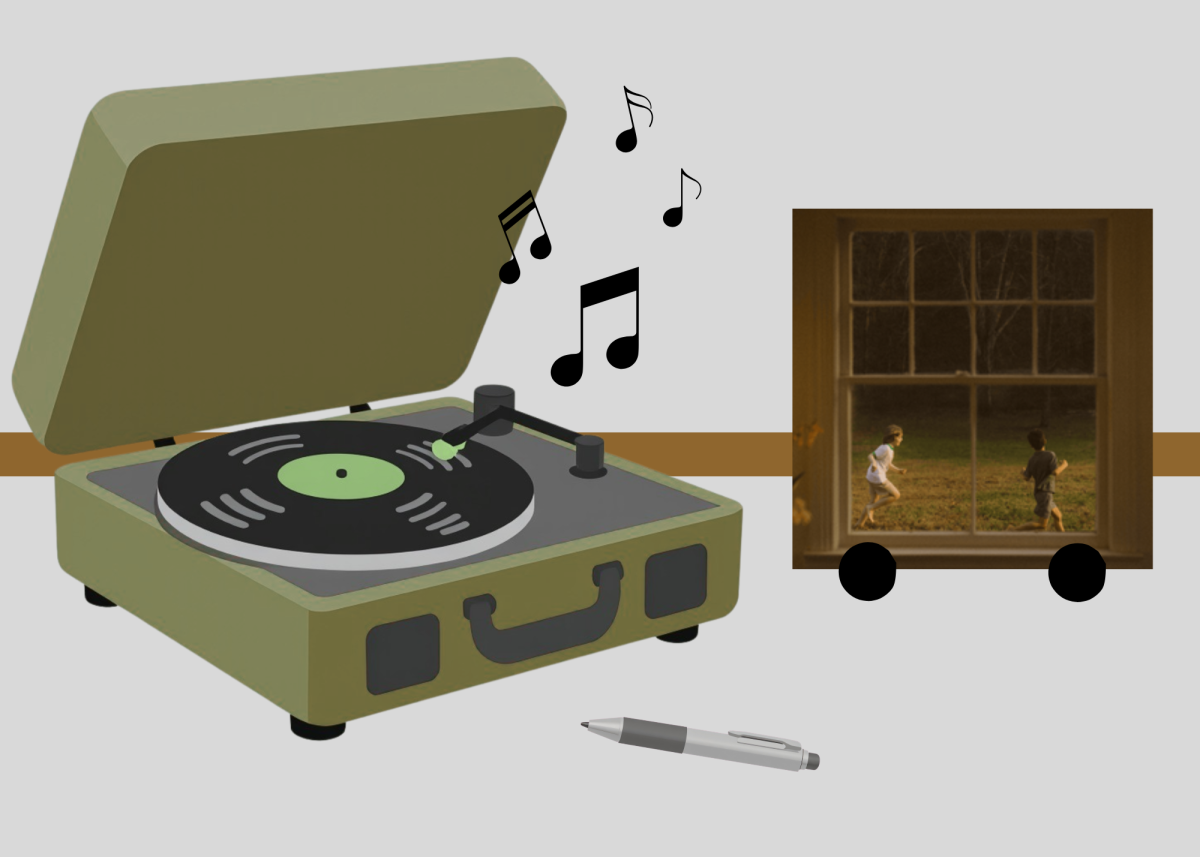





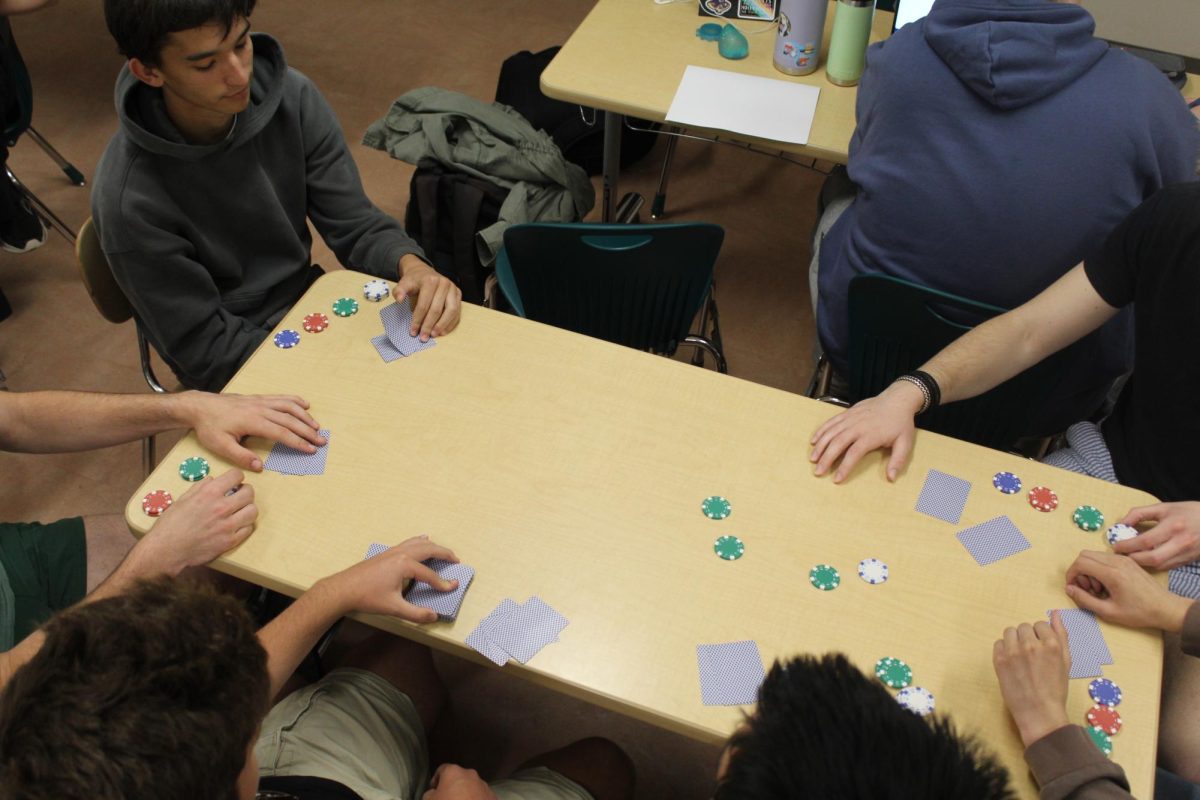
Lately, grades have become a large part of student identities. For the average high school student, each day brings tests, assignments, and projects. The due dates come constantly, and many nights are spent studying instead of sleeping. But another problem has arisen for students: the culture shaped around sharing grades with others. We live in a world where our grades are at our fingertips with constant notifications from Google Classroom and Aeries. Immediately telling your friends what you got on your test has become normalized. I have noticed that at San Marin, halls are buzzing with “What did you get?”
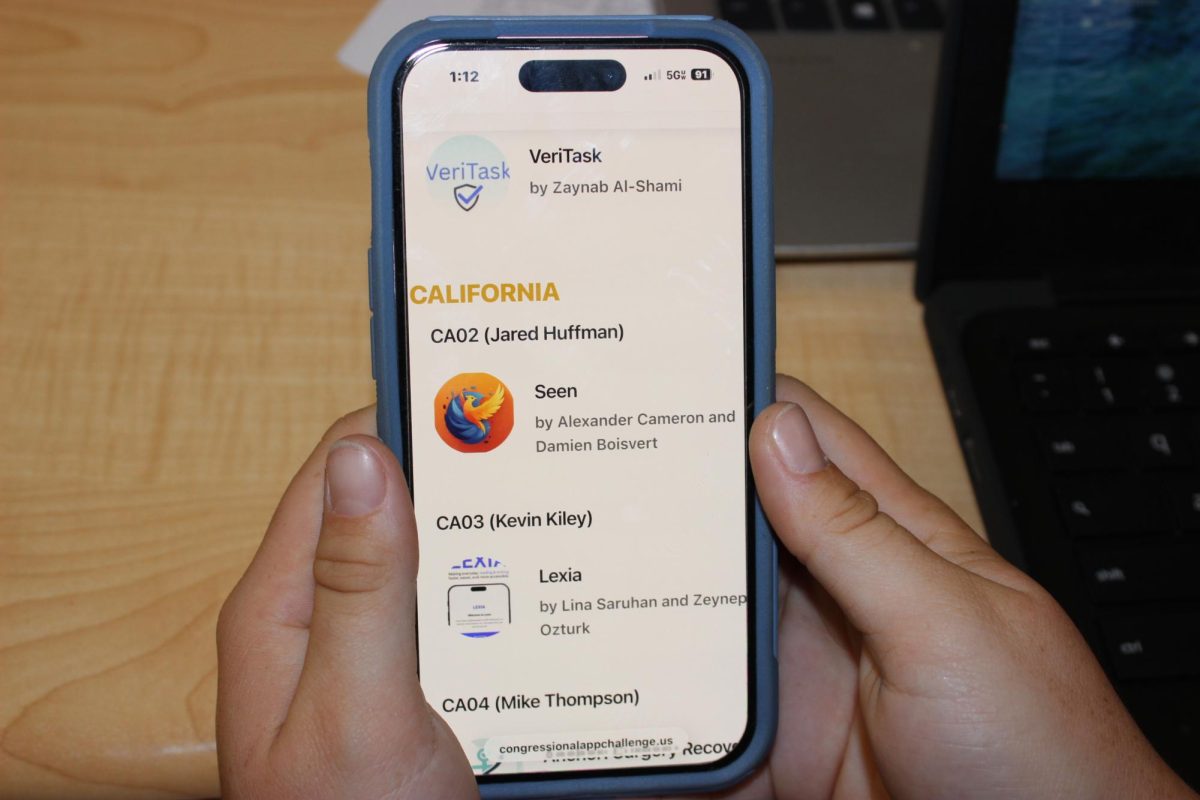
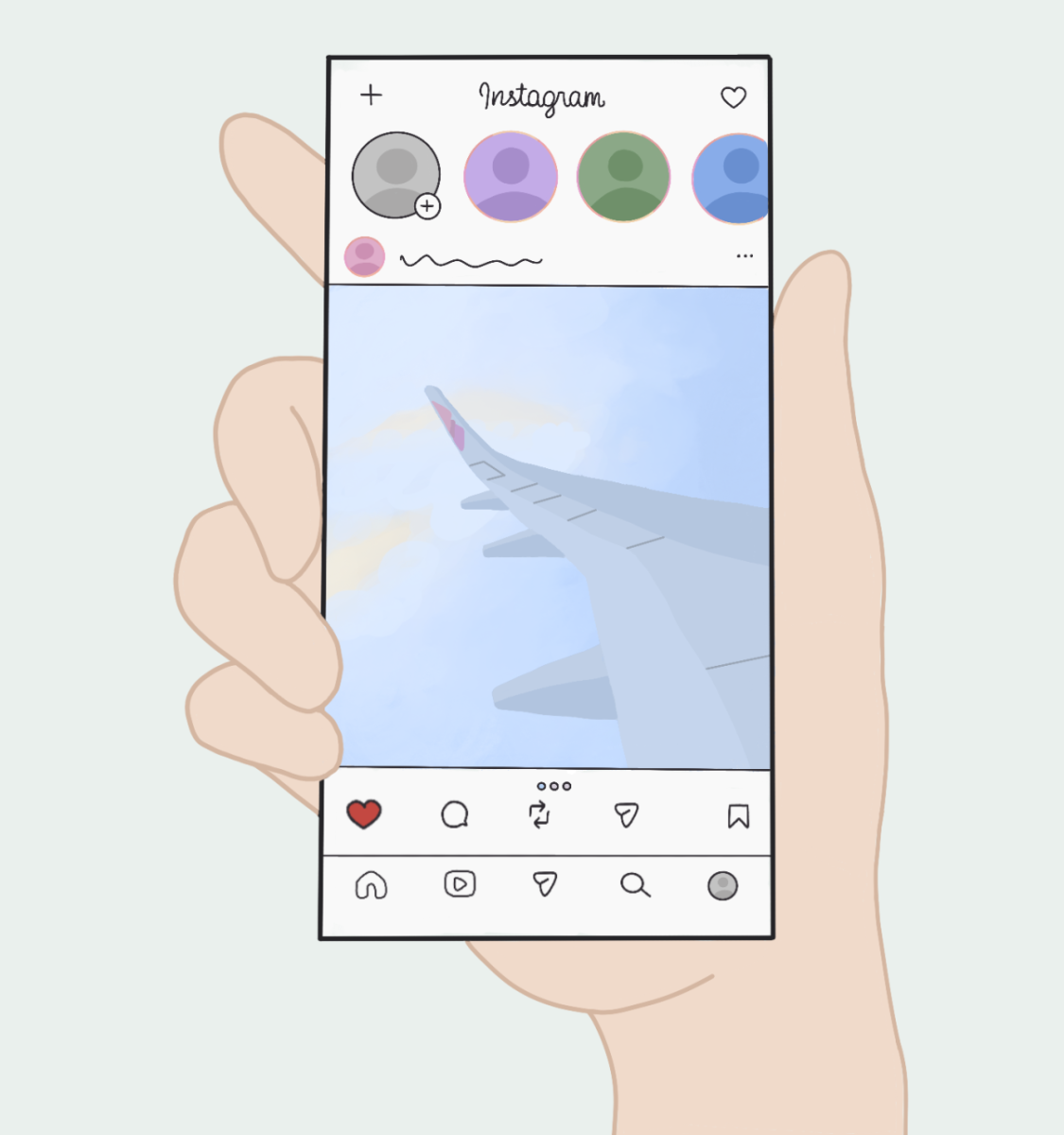
There have been large changes not just in how grades are seen, but also in how they are shared and judged. When my parents were in high school, they would submit an assignment—their grades were not released until physical papers were handed back in class. It is far easier to keep a paper private and tucked in a backpack. Students could not see all of their letter grades daily; instead, they had to wait for transcripts to be released. My dad’s school did not release transcripts until grading periods were over, which was around every six weeks. The introduction of modern platforms such as Aeries and Google Classroom has made scores accessible and easy to share. As soon as an instructor enters a grade, students open their phones and check their grades in real time. This information is easy to see, screenshot, and even share. It is much harder to keep your scores private when you have a full gradebook at your disposal. I noticed that I am far more stressed having this ability to constantly check my grades.
This instant access to assignment scores is detrimental to students. Each person is constantly refreshing their phones, awaiting an update, and then the moment scores for a recent assignment are released, group chats blow up with people posting what they got. The pressure becomes social, and the expectation is that each person will share their score. If you are silent while other people are sharing, it is assumed that you received a bad mark. Meaning, what begins as convenience quickly becomes expectation.
I have noticed a change in my mental health and that of the people around me now that we share scores so openly. In my experience, I feel a heightened sense of anxiety, not only about the result, but about how others will respond. I feel like academic feedback can turn into a space for judgement. I have noticed that in my classes, there is growing unhealthy competition, where we compare ourselves to others. I have struggled with overworking myself to try and keep up with my peers. Over time, this pressure changes the focus of schoolwork from learning to ranking. I fear that this could lead to burnout, declining confidence, and reduced performance. When evaluation is made constant and public, stress becomes the normal. I have noticed myself and fellow classmates associate grades with fear rather than growth.
In one of my previous classes, our teacher would release test scores while we were all together in class. It got to the point where I was nervous to log into my Aeries account at the same time as my peers. For a large test, everybody looked and shared what score they got. I had not done as well as I would have liked to, or as well as any of my classmates. The others made me feel stupid for the grade that I received. I then became nervous when results were shared.
There is a valid argument that having access to and sharing grades improves accountability and transparency. This makes some sense; however, access to your grades does not translate to emotional readiness to process the information you are receiving. The portals and apps may create convenience for families and administrators, but student well-being is not taken into account.
In order to combat the effects of a lack of academic privacy, schools should rethink the way grades are portrayed to the students. They should treat the scores as private feedback rather than social information, and they should encourage delayed posting when there is time for the student to reflect on their grade. The issue is not in the system itself but in how the expectations around scores are shaped.
Having constant access to our grades has significantly altered academic culture. Not only are students more focused on their scores than ever, but they are also engaging in unhealthy competition, burning out from the stress of doing better, and fearing results. It has to be decided whether education benefits from haste and visibility, or reflection and growth. The results on student tests and assignments were designed to be tools, pieces of information that can be used for personal improvement. Grades should not become a public performance piece.