

![“Tanning exposes your skin to [ultraviolet (UV)] light, and UV light is a known carcinogen, which means it can alter your DNA,” Biotechnology and biology teacher Gillian Boyd said. “It can change the sequences of DNA bases. The more exposure you have, the more risk you have to develop [skin] cancer.”](https://smhsponyexpress.org/wp-content/uploads/2026/06/IMG_0071-1200x798.jpeg)










![Remakes [and film adaptations of books] are often criticized for being too repetitive and unnecessary.](https://smhsponyexpress.org/wp-content/uploads/2026/06/IMG_0193-1200x558.jpeg)











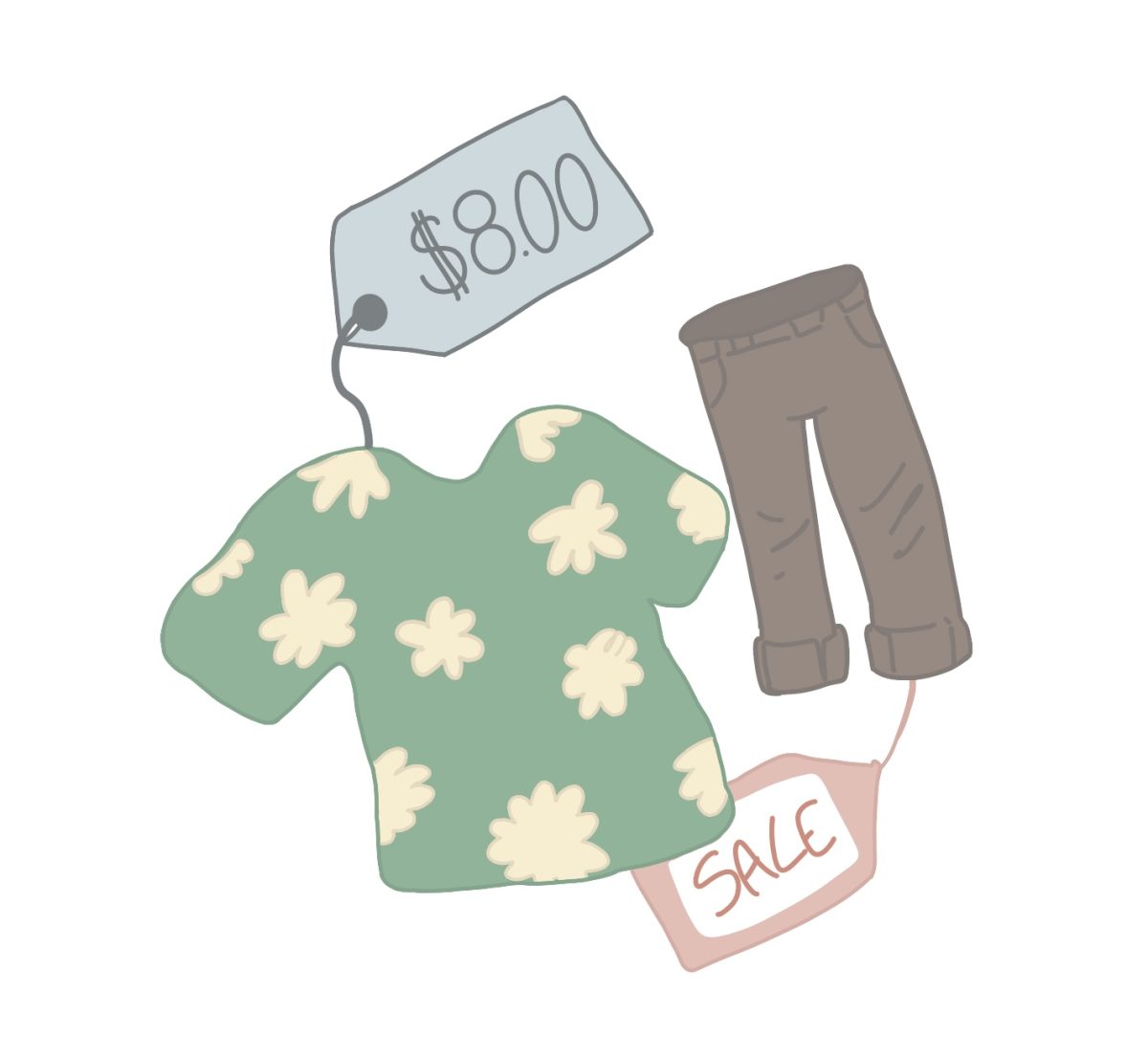
Clothing has long since been a way for people to express themselves, whether they wear a band tee to show support for an artist, or accessorize outfits with jewelry and layers. Mainstream companies rely on fast growing trends to be able to produce cheap, trendy clothes that can quickly be sold to the public. Brands like H&M, Zara, and Forever 21 are everywhere and continue to stay popular despite the information about how harmful these brands can be. “Fast fashion” is a term that is all over social media, and it describes low-quality products produced at a high rate with low costs. The overconsumption of these products is pushed by trends and creators who are willing to promote them.
Pollution is a huge issue that fast fashion contributes to. The amount of materials the brands use ends up as waste just a few months after being bought. A popular fast fashion brand, Shein, known for its cheap products, uses a lot of synthetic materials such as polyester that struggle to break down, even if they do not last very long.
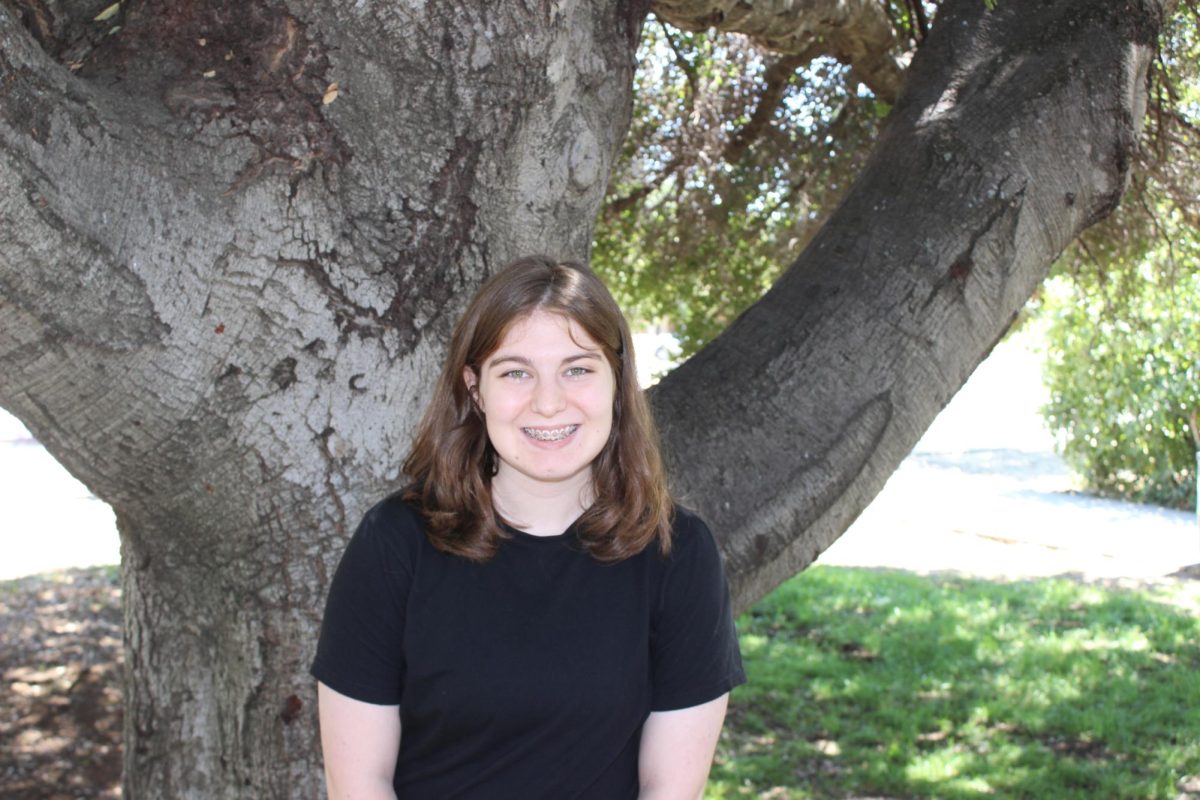
“Fast fashion is always cheap, bad quality material, with no love and personality,” junior Anya Yost said.
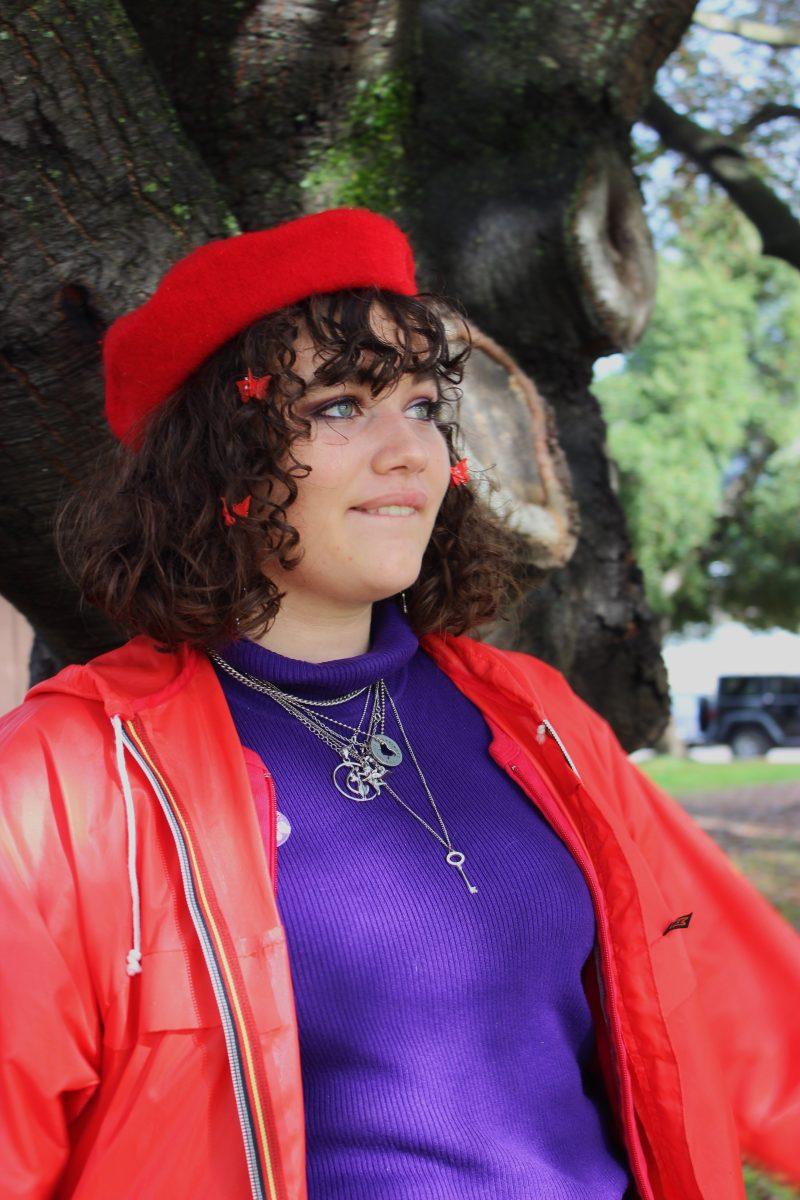
Shopping smartly should be given more thought. Whether it is best to shop directly or second-hand is a big question that has been floating around on social media. It can be difficult to find brands that do not use unethical labor. Many have found a way around it by buying products from Shein and Zara second-hand, or using websites like Depop and Vinted, which promote thrifting worldwide. It can be a great way to shop for specific or unique pieces. Jade Stanton is a junior at San Marin and spends a lot of time thrifting and recycling old clothes, some given to her by her family.
“A lot of people don’t care for individuality in their clothing, and [social] media has made it easier to know what’s trending at the moment and what or where to buy from if you want to be ‘in style’,” junior Jade Stanton said. Stanton frequently uses old clothes given to her by family members and redesigns them to fit her style.
Thrifting, which is shopping for second-hand items, usually clothing or accessories, started around the 1960s and 70s and has recently resurfaced in the 2020s from social media. Thrifted pieces can be customized and recycled into new and unique pieces, using patches, embroidery, and more.
Marin and Sonoma counties have multiple hotspots for thrifting. Goodwill has locations in Novato, Petaluma and San Rafael. Another thrift store is The Opera House in Petaluma, which has a wide spectrum of clothing and items. Flipside Thrift, located near Trader Joe’s in Novato, is another popular spot for thrifting.
“Thrifted or vintage clothes always have that look of a story and meaning, making every piece unique to itself,” Yost said.
Social media has been the main catalyst for fast fashion, but has also led the way for more people to go against fashion norms. It has also brought more awareness to the global effects of fast fashion. Being able to shop directly can be a luxury for some people, but thrifting can allow some to own mainstream brands without directly supporting them. This alternative can be better for the environment, cheaper, and in support of local businesses.