


![“Tanning exposes your skin to [ultraviolet (UV)] light, and UV light is a known carcinogen, which means it can alter your DNA,” Biotechnology and biology teacher Gillian Boyd said. “It can change the sequences of DNA bases. The more exposure you have, the more risk you have to develop [skin] cancer.”](https://smhsponyexpress.org/wp-content/uploads/2026/06/IMG_0071-1200x798.jpeg)









![Remakes [and film adaptations of books] are often criticized for being too repetitive and unnecessary.](https://smhsponyexpress.org/wp-content/uploads/2026/06/IMG_0193-1200x558.jpeg)










On Jan. 1, 2026, New Year’s Day was celebrated around the globe, marking the beginning of the year according to the standard Gregorian calendar. However, Asian cultures celebrate the new year according to a different calendar. Lunar New Year is a celebration of the new year based on the cycles of the moon.
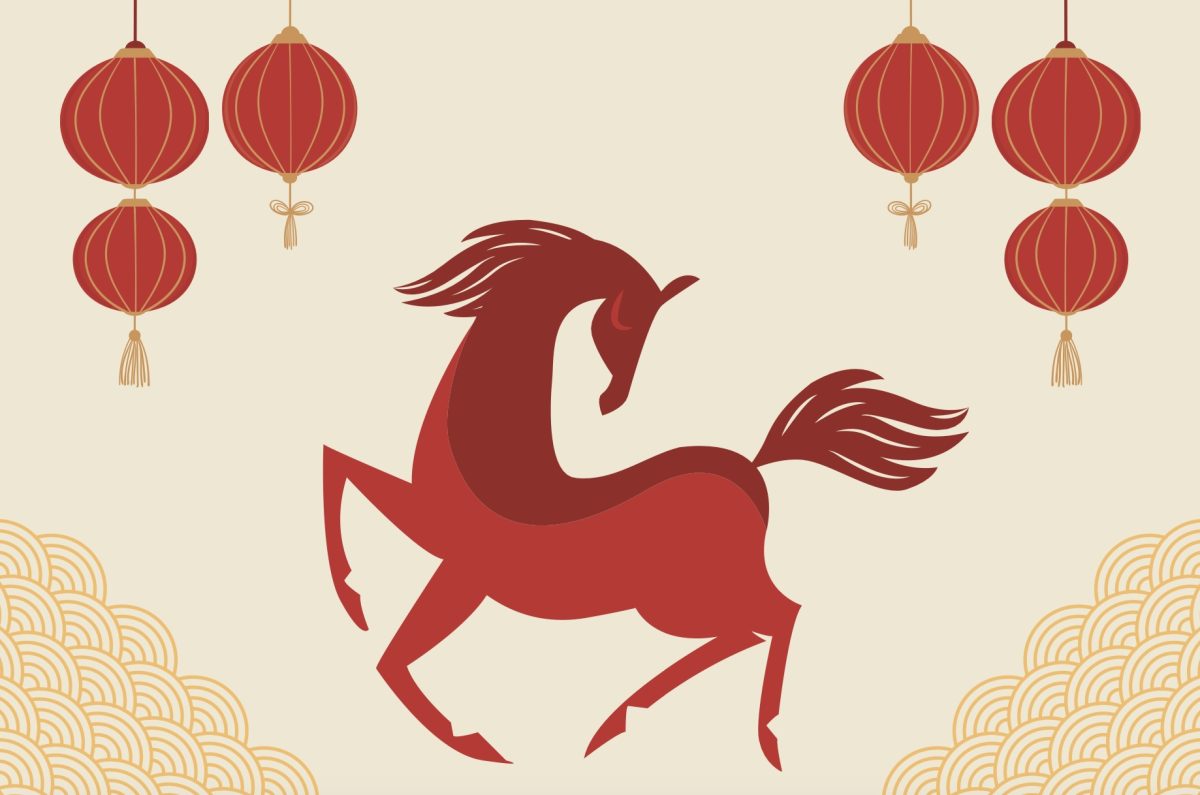
Lunar New Year follows a 12-year cycle, with each year being assigned to an animal. The animal cycle offers wisdom and predictions for the year ahead. The horoscope also includes the five elements: water, fire, wood, earth, and metal. Since the celebration follows the cycles of the moon, it is held on a different day each year, between Jan. 21 and Feb. 20, depending on the year. This year, Lunar New Year falls on Feb. 17. 2026 is the year of the horse, specifically the fire horse. The horse symbolizes momentum, energy, and independence, and encourages the changing of old habits and the making of big changes.
Celebrations often start around a week before the festival. Rituals such as cleaning before the new year and decorating for the festivities take place. It usually lasts for 15 days, and can end with a tea ceremony or with a lantern festival. During this time, families gather and connect.
“I usually celebrate with my mom, but this February, we’re going back to Taiwan to celebrate with my whole family,” sophomore Holly Tuerke said.
Often, families have a large Lunar New Year’s Eve dinner with a variety of different dishes. The dishes symbolize different things; for example, dumplings are shaped like coins to bring good fortune.
A common tradition shared between loved ones is the exchange of red envelopes. In certain cultures, these red envelopes symbolize good luck and ward off evil spirits in the new year. The color red is believed to symbolize prosperity. The envelopes contain money and are usually given by elders to younger loved ones.
“Certain people are supposed to give certain amounts,” Tuerke said.
For example, a parent or close family member would likely put more money in the envelope than a neighbor or distant relative.
Over time, celebrations in the new year have evolved. The Lunar New Year originated as a group of ancient rituals in Asia. The purpose was to celebrate the end of winter, worship ancestors, and hope for a good harvest in the coming season. Recently, the Lunar New Year has shifted to become a far more social celebration. It still holds its religious roots while incorporating entertainment like parades and fairs.
The importance of the Lunar New Year is having a connection with the culture that surrounds it. It is important to see friends and family, as well as have a fresh start, before the coming year.
“[Lunar New Year] brings fortune into the upcoming year,” sophomore Rebecca Low said.
Lunar New Year can be respectfully celebrated by anyone, regardless of background.
“Other people can celebrate; they don’t have to worry about cultural appropriation,” Tuerke said.
In the coming weeks, people will be celebrating the Lunar New Year, as the new year of the horse holds importance for so many. It is a time to reflect and look forward to what is to come.