

![“Tanning exposes your skin to [ultraviolet (UV)] light, and UV light is a known carcinogen, which means it can alter your DNA,” Biotechnology and biology teacher Gillian Boyd said. “It can change the sequences of DNA bases. The more exposure you have, the more risk you have to develop [skin] cancer.”](https://smhsponyexpress.org/wp-content/uploads/2026/06/IMG_0071-1200x798.jpeg)








![Remakes [and film adaptations of books] are often criticized for being too repetitive and unnecessary.](https://smhsponyexpress.org/wp-content/uploads/2026/06/IMG_0193-1200x558.jpeg)











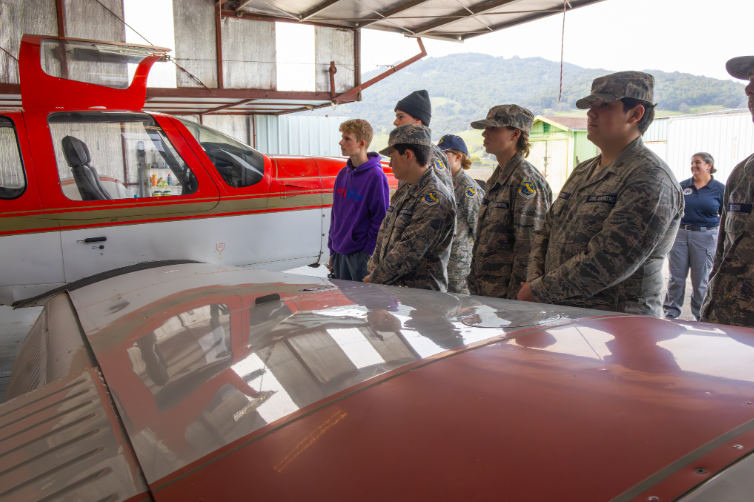
Civil Air Patrol (CAP) is a public service organization that provides emergency services and disaster relief missions worldwide. Although its main focus is emergency services, it also supports leadership development and aerospace education for both young and older adults. This volunteer organization is aligned with the United States (U.S.) Air Force gives students exposure to potential career options.
The main feature of CAP is its cadet program, open to anyone in the age range of 12 to 21 years old. Cadets have opportunities to learn about aviation, take part in search and rescue training, and go on orientation flights in small aircraft. Subjects such as discipline, physical fitness, and teamwork are all engraved into the cadet’s program. These activities are aimed at helping students build confidence and educational skills, while keeping a display of military-like commitment.
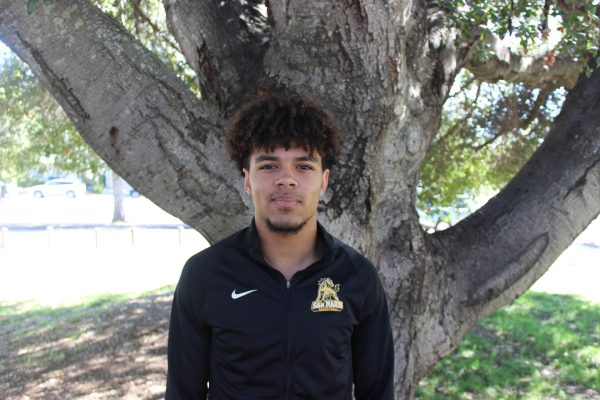
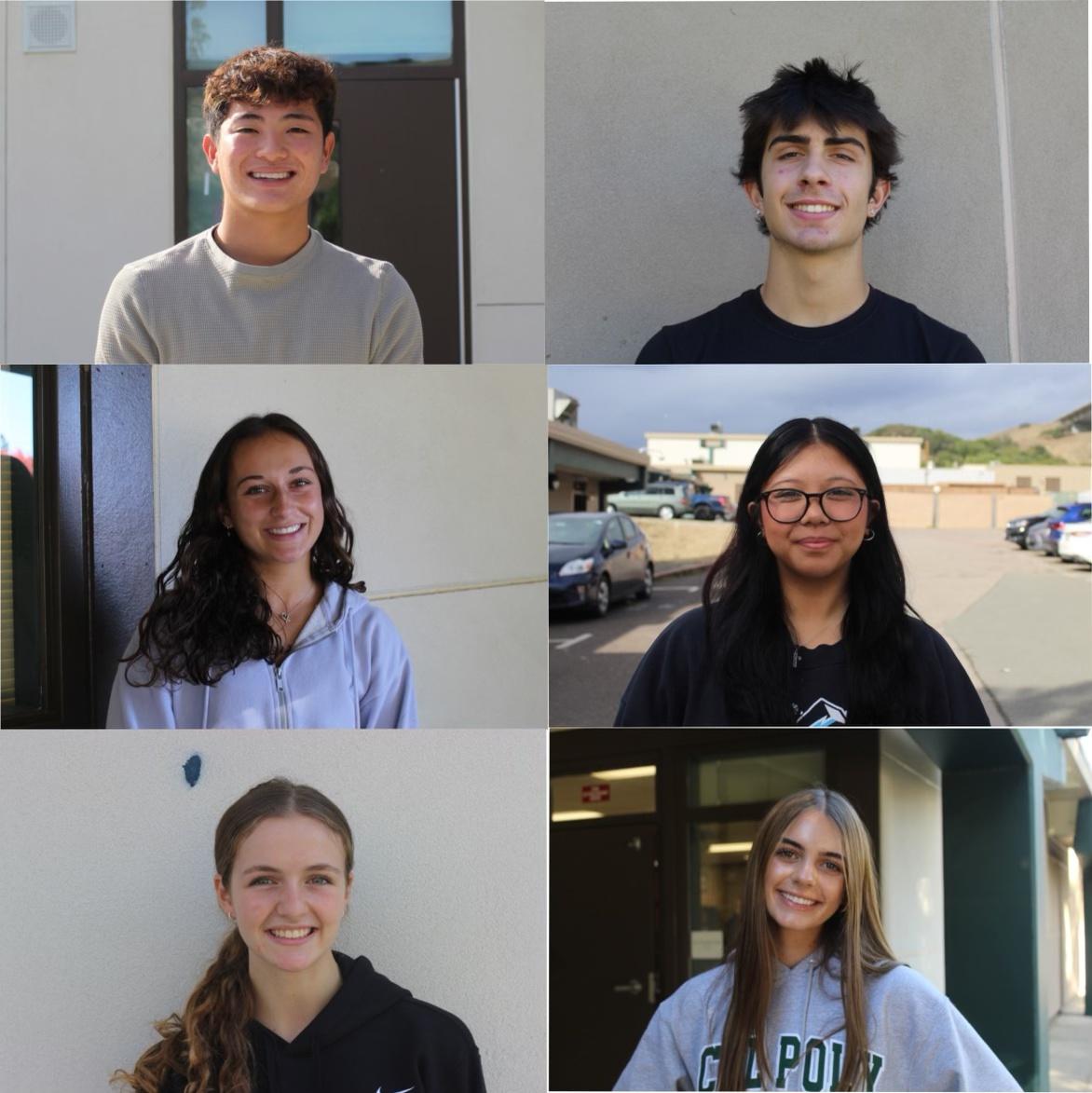
San Marin senior Miron Gridin has been a part of the CAP for five and a half years and is spending the next four years at the U.S. Air Force Academy, where he will study with the hopes of becoming a pilot. He feels that taking part in CAP helps students not only with guiding a military pathway, but also with other real-world skills such as public speaking.
“If you’re interested in having a career involved with the military, specifically the service academies, that’s definitely a great option,” Gridin said. “As well as if you’re there wanting to learn more about aerospace or improve your public speaking skills, it’s a great place to do so.”
CAP not only focuses on military service work, but it also corresponds with education about science, technology, engineering, math (STEM), aerospace, and aviation. It is very common for cadets to pursue careers in aviation, engineering, or the military.
Mikhail Panin, a sophomore at San Marin, believes CAP is helping guide him to a potential college major.
“CAP has helped me in school in many ways,” Panin said. “I’m now [looking] to pursue an engineering major in college, most likely Civil or Aerospace.”
Through different acts of community service and advanced learning opportunities, CAP is shaping a new generation of leaders and creating a more unified, experienced, and educated workforce.